

AKLOJI ZONA | BLIND SPOT
AKLOJI ZONA | BLIND SPOT
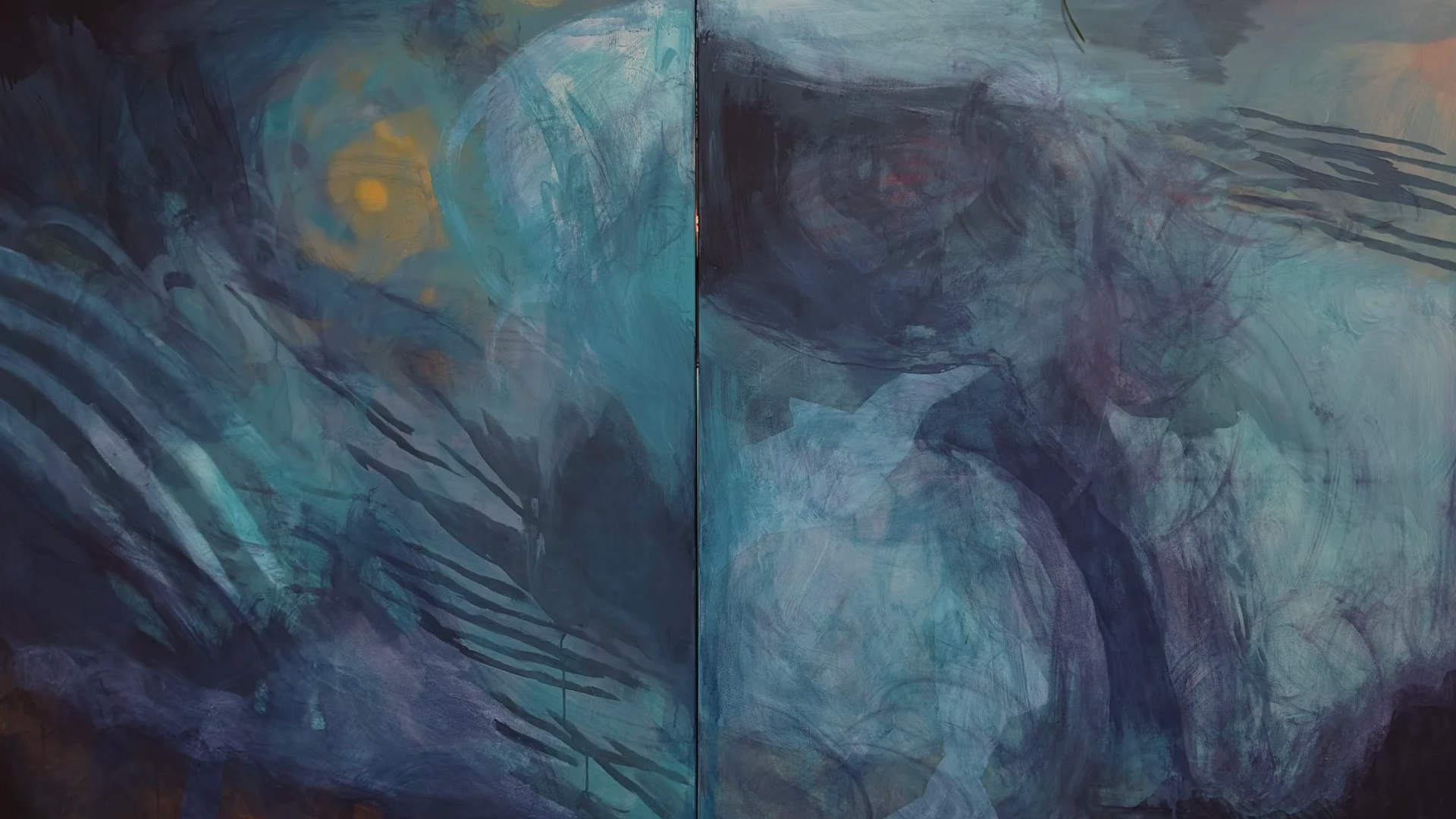
Diptych, acrylic, oil and spray paint on canvas
2 × 120 × 100 cm
2026
KAIP GIMĖ DARBAS? HOW DID THIS WORK COME INTO BEING?
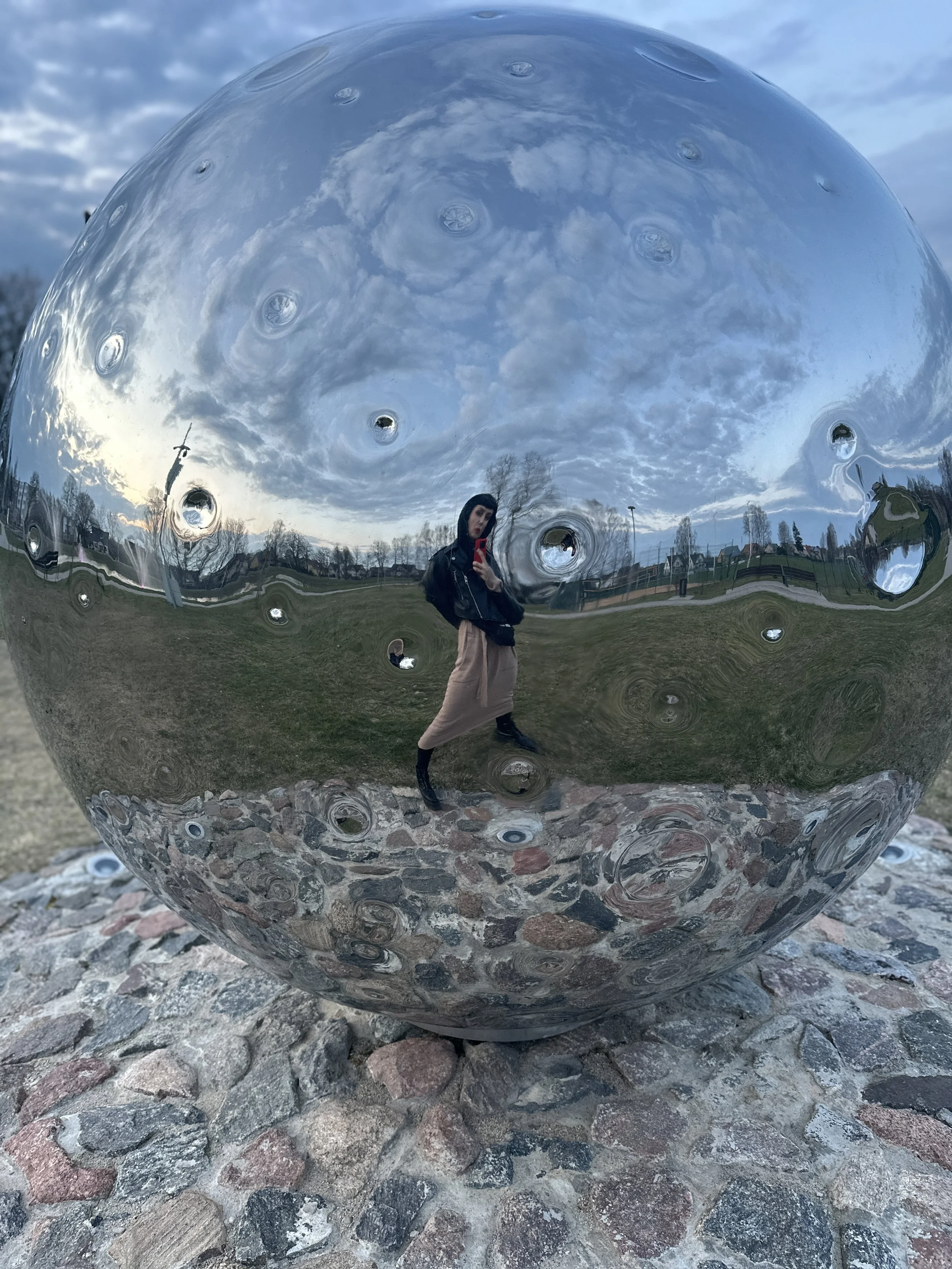
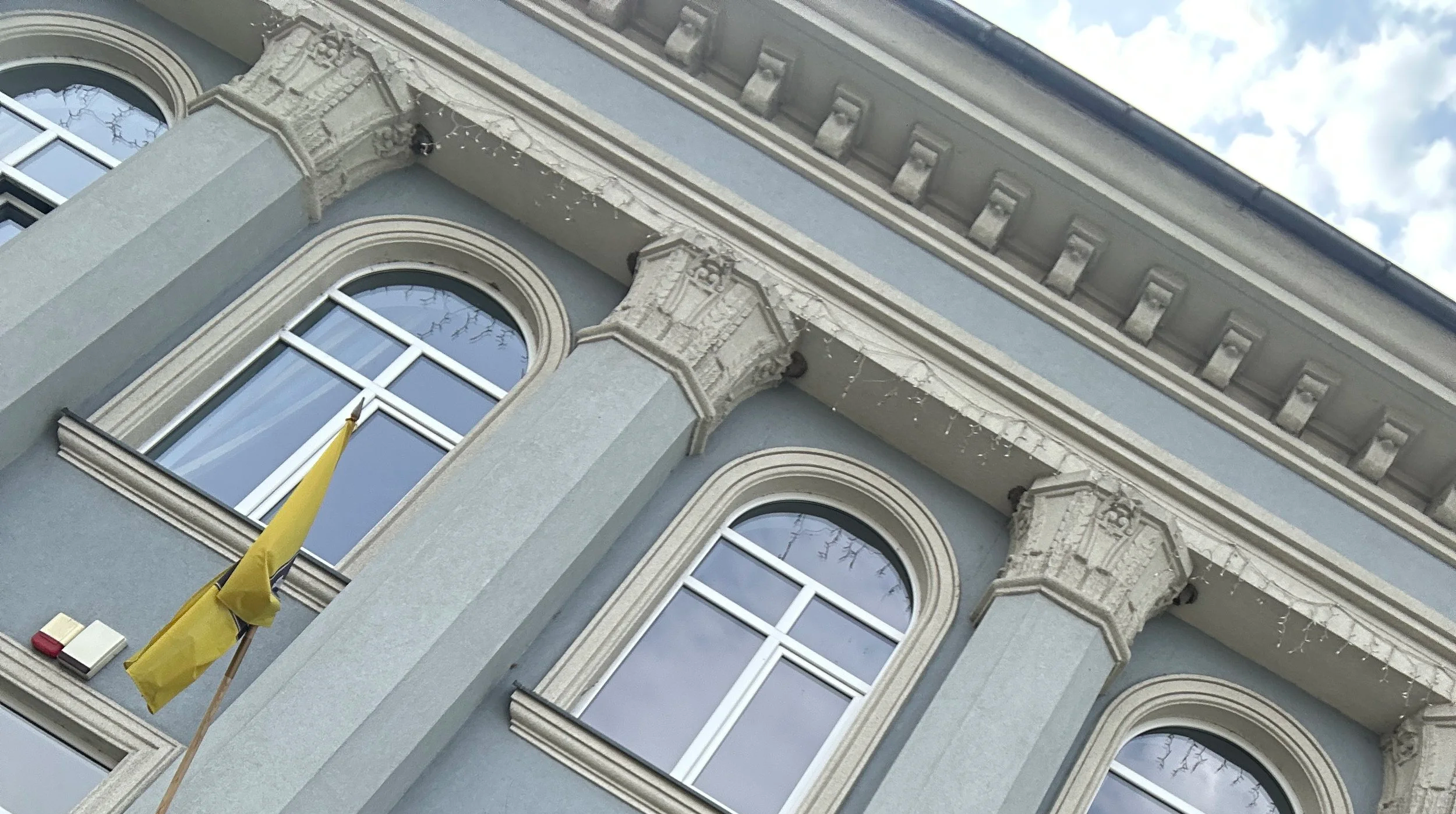
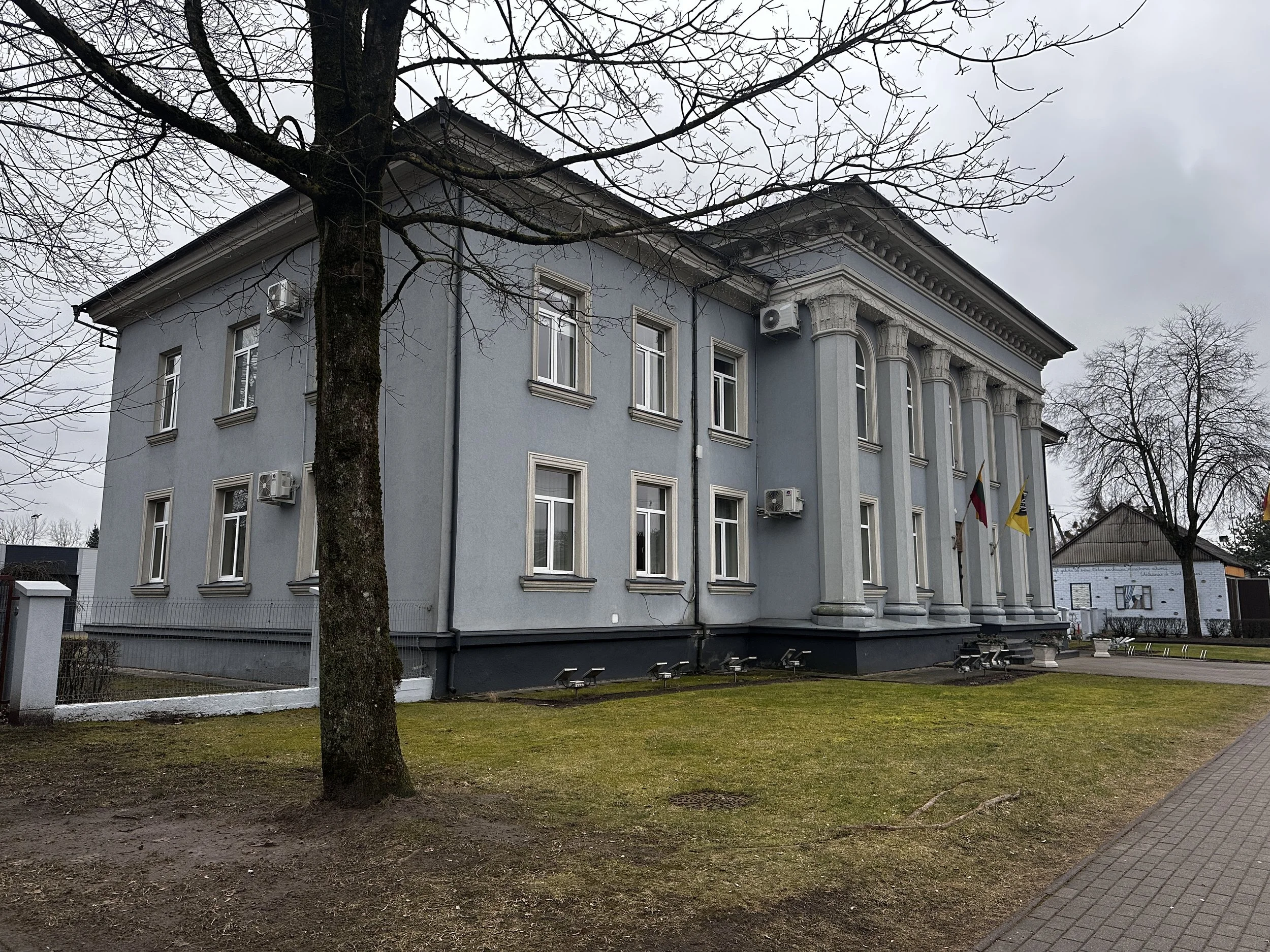
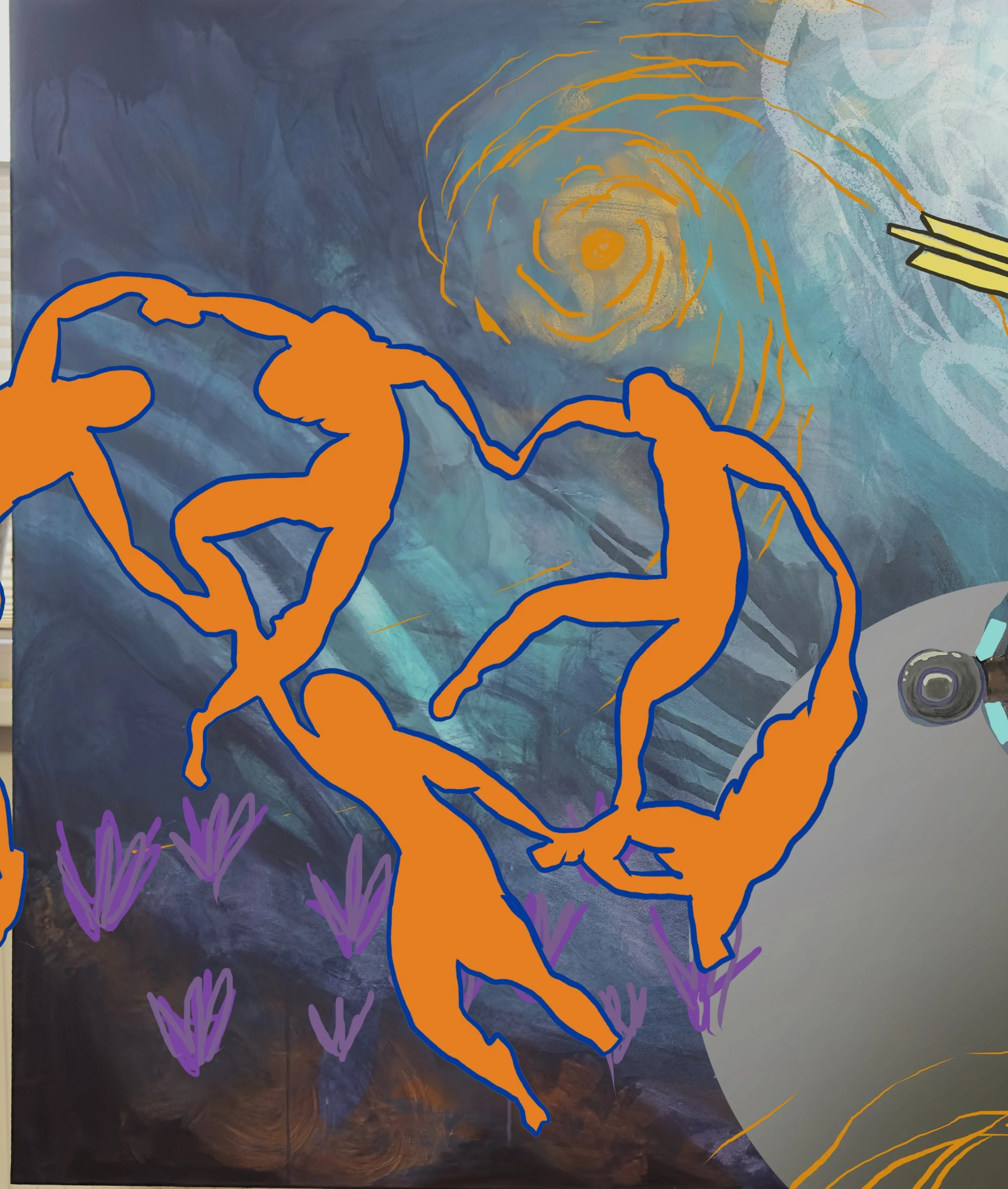
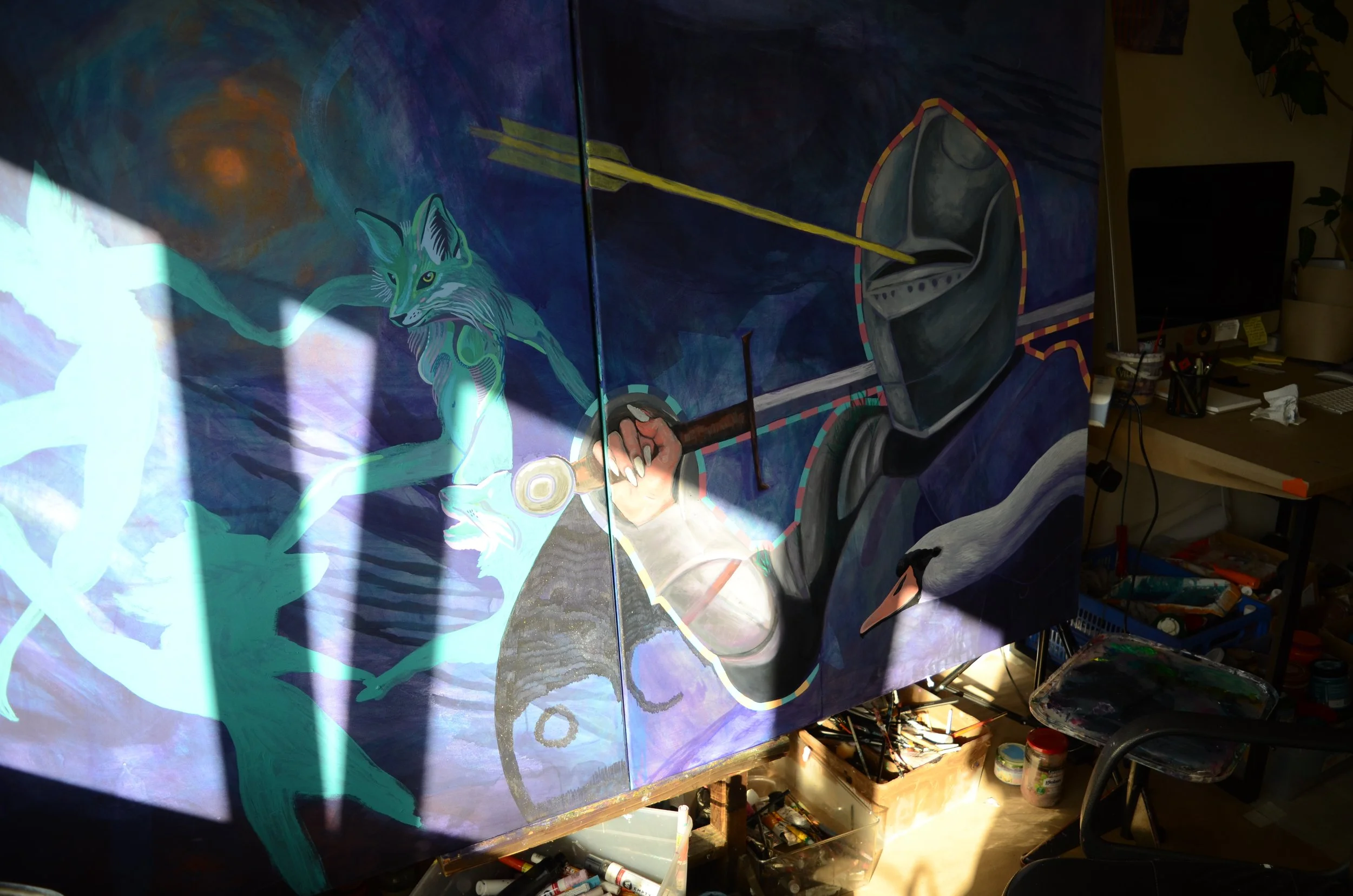
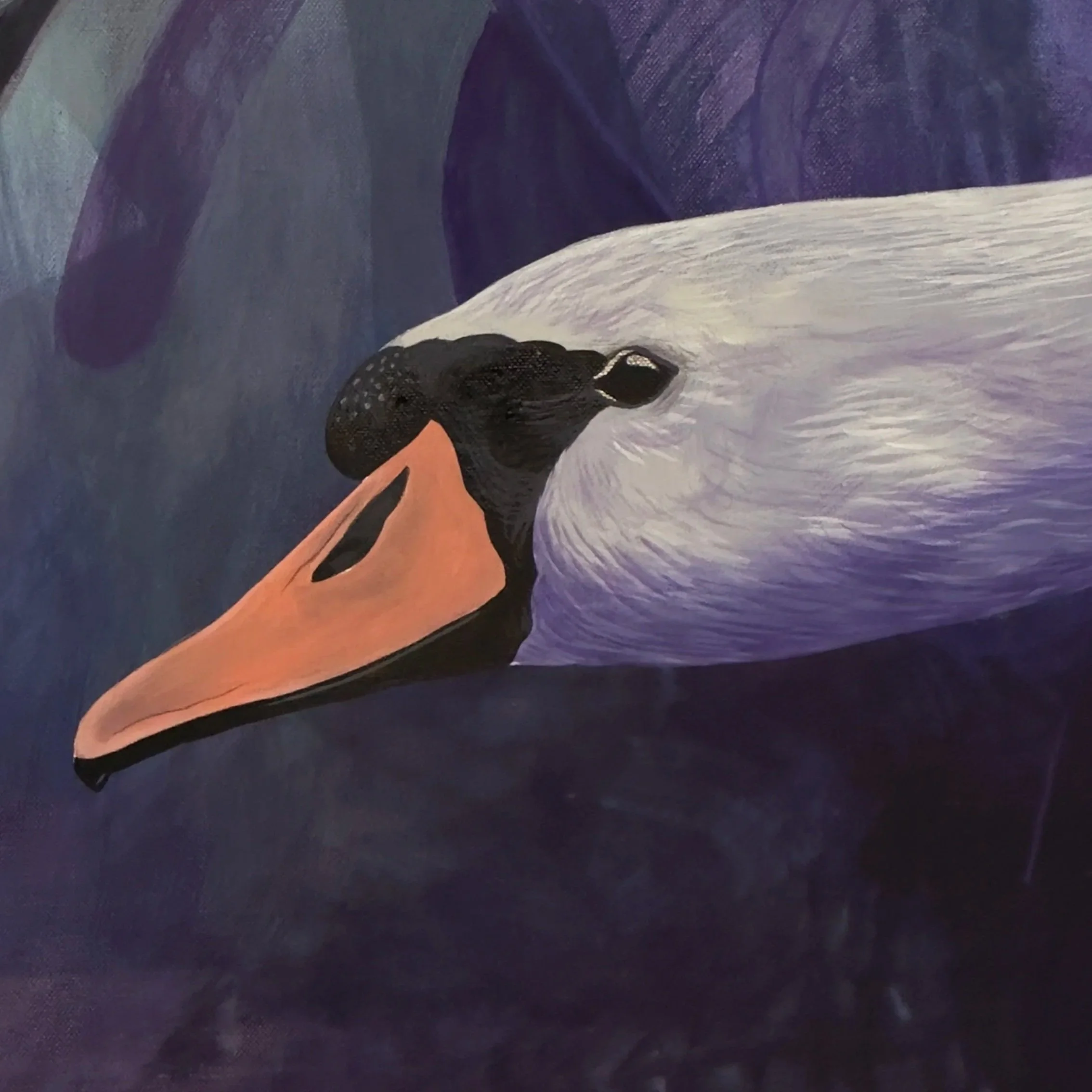
Vis grįždavau prie internete matyto memo, kuriame riteris, kad ir kaip kruopščiai apsaugotas šarvais, vis tiek gauna strėlę į vienintelę atvirą vietą – siaurą akių plyšį šalme. Šis vaizdas ilgai neišėjo iš galvos ir pamažu tapo šio diptiko pradžia. Tapant į paveikslą natūraliai atkeliavo kasdieniai Kazlų Rūdos vaizdiniai – savivaldybės pastatas, kuriame dirbu, chrominė skulptūra „Mėnulis“, Matiso „Šokis“, su kuriuo man asocijuojasi vietiniai socialiniai ritualai, ir The Sims simboliai. Taip darbas savaime tapo vieta, kurioje susitiko interneto kultūra, kompiuteriniai žaidimai, viešasis menas, asmeninė patirtis ir kasdieniai stebėjimai. |
I kept coming back to an internet meme showing a knight who, despite being almost completely protected by armour, is struck by an arrow through the only vulnerable opening—the narrow slit of his helmet. The image stayed with me for a long time and gradually became the starting point for this diptych. As I painted, fragments of everyday life in Kazlų Rūda naturally found their way into the work: the municipal building where I work, the chrome sculpture The Moon, Matisse's The Dance, which I associate with local social rituals, and symbols from The Sims. The painting gradually became a place where internet culture, video games, public art, personal experience, and everyday observations came together.
KOKĮ KLAUSIMĄ KELIA? | WHAT QUESTION DOES IT ASK?
Kokias kovas įmanoma pralaimėti tik pačiam sau? Iš kur iš tiesų kyla didžiausias pavojus – iš aplinkos ar iš mūsų pačių? Ir kiek mūsų tapatybės priklauso mums, o kiek ją formuoja vaidmenys, kuriuos kasdien atliekame? |
Which battles are impossible to lose to anyone but yourself? Where does the greatest danger really come from—from the world around us or from within? And how much of our identity truly belongs to us, and how much is shaped by the roles we perform every day?
KODĖL SVARBUS PROJEKTE? | WHY IS IT IMPORTANT WITHIN THE PROJECT?
Šis diptikas svarbus projekte, nes koncentruotai atskleidžia tyrimo metodą – skirtingų kultūrinių, socialinių ir vertybinių sistemų sugretinimą vienoje vizualinėje erdvėje. Darbe susitinka interneto kultūra, kompiuteriniai žaidimai, institucinė aplinka, viešasis menas ir asmeninė patirtis, kviesdami tyrinėti, kaip šios sistemos persidengia ir formuoja mūsų pasaulio suvokimą. |
This diptych is important within the project because it condenses the central research method: juxtaposing different cultural, social, and value systems within a single visual space. Internet culture, video games, institutional environments, public art, and personal experience intersect here, inviting reflection on how these systems overlap and shape our perception of reality.
KONTEKSTAI I CONTEXTS
Søren Kierkegaard: saugumo iliuzija ir akloji zona
Danų filosofas Sørenas Kierkegaardas teigė, kad didžiausios žmogaus kovos vyksta ne išoriniame pasaulyje, bet jo paties viduje. Tikėjimas, kad esame pakankamai pasirengę ar apsaugoti, gali tapti savotišku aklumu. Žmogus dažnai kruopščiai saugosi to, kas atrodo pavojinga, tačiau lieka pažeidžiamas ten, kur grėsmės nebeįžvelgia. Didžiausias pavojus kartais kyla ne iš aplinkos, o iš klaidingo rizikos suvokimo. |
Søren Kierkegaard: The Illusion of Security and the Blind Spot
The Danish philosopher Søren Kierkegaard argued that our greatest struggles take place not in the external world but within ourselves. The belief that we are sufficiently prepared or protected can itself become a form of blindness. We often devote great effort to defending ourselves against what appears dangerous, while remaining vulnerable where we no longer perceive any threat. The greatest danger may arise not from the world around us, but from our own misjudgment of risk.
VIETOS ISTORIJA | LOCAL HISTORY
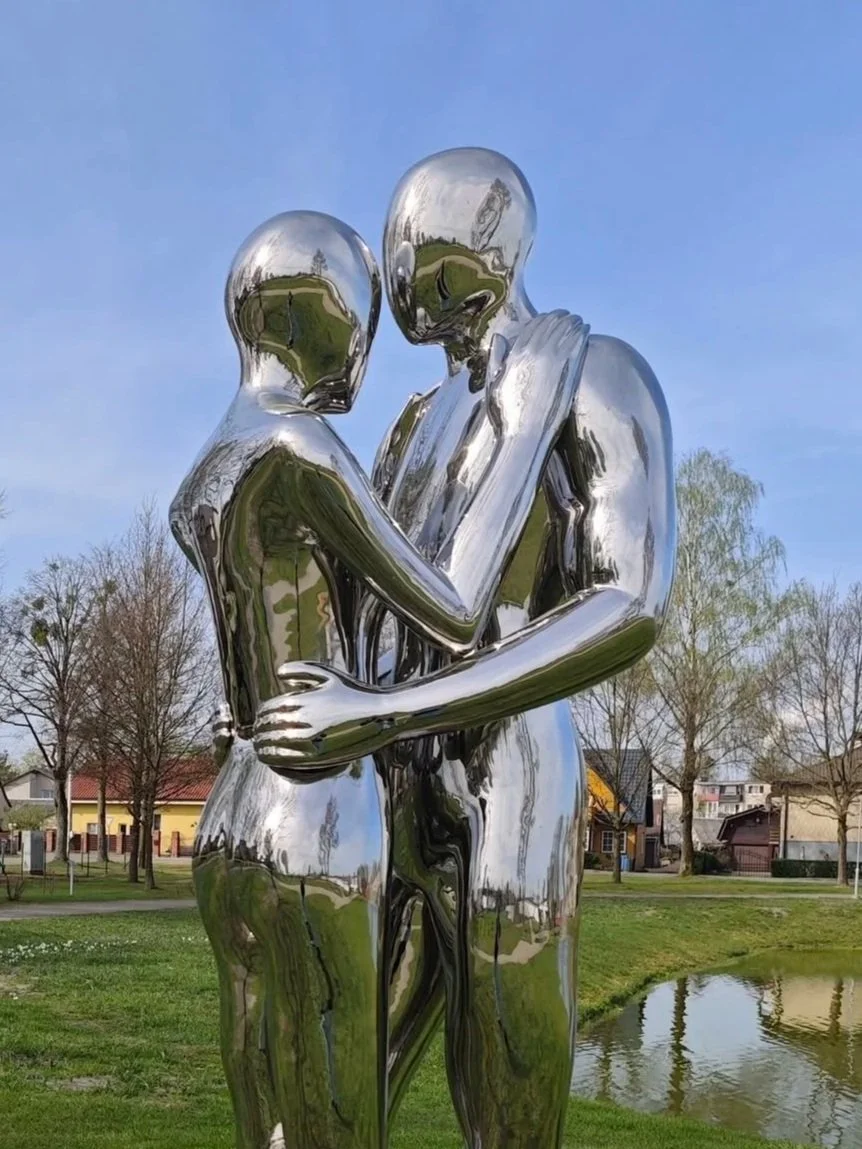
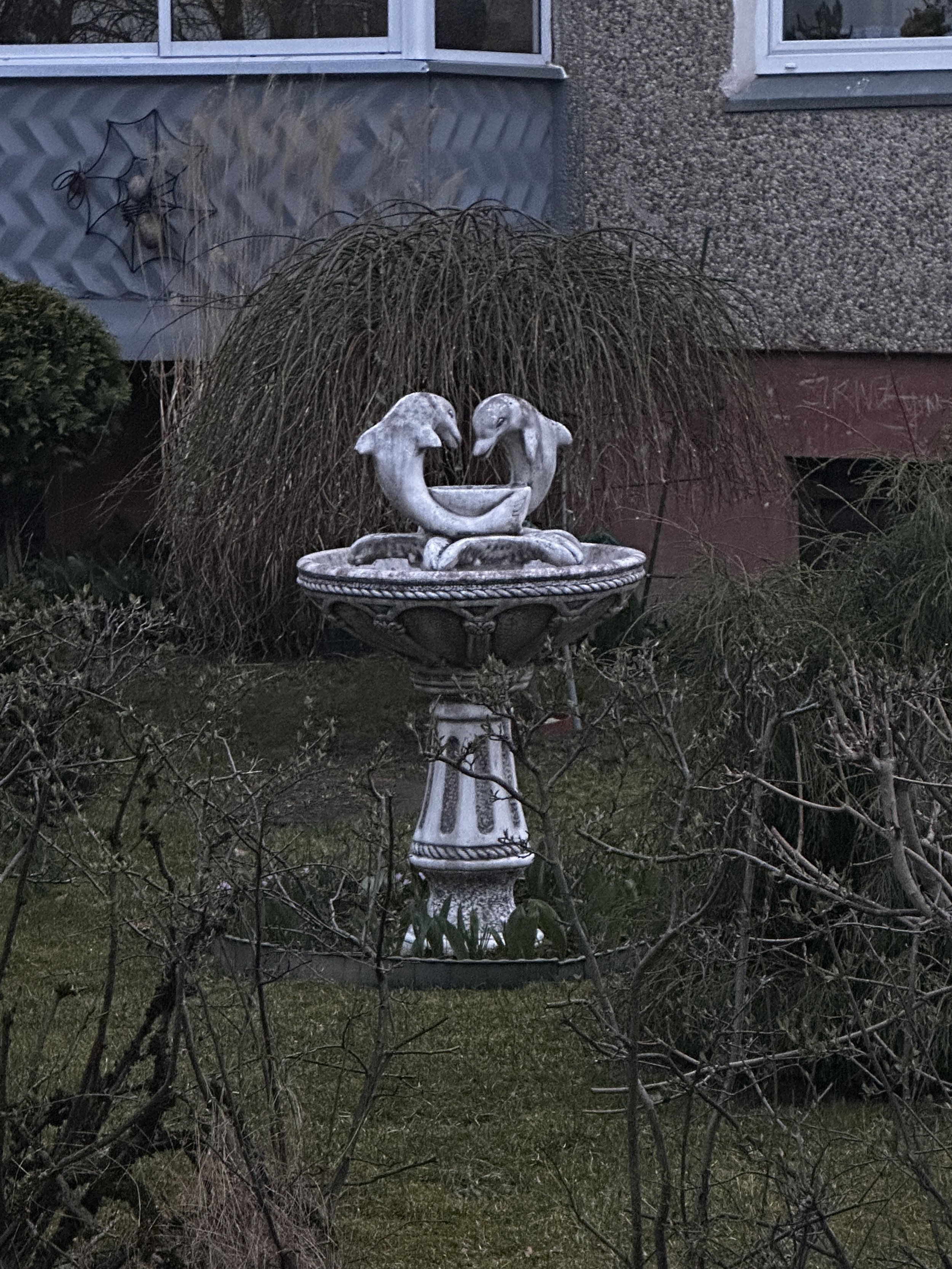
Pastaraisiais metais Kazlų Rūdos viešosiose erdvėse atsirado keletas veidrodinio nerūdijančio plieno skulptūrų – „Mėnulis“, „Pora“ ir fontano kompozicija. Šie objektai tapo nuolatine miesto vizualinės aplinkos dalimi ir išsiskiria iš kitų viešųjų erdvių elementų savo poliruotu, chromą primenančiu paviršiumi. Dirbdama prie šios tapybos serijos pastebėjau, kad chromo estetika pamažu persikelia ir į mano paveikslus. Juose pradėjau naudoti sidabro chromo purškiamus dažus ne kaip dekoratyvų efektą, bet kaip vietos specifikos ženklą. Chromo paviršiai tapo viena iš vizualinių nuorodų į Kazlų Rūdą. | In recent years, several mirrored stainless-steel sculptures have been installed in Kazlų Rūda's public spaces, including The Moon, The Couple, and the fountain sculpture. These objects have become a permanent part of the town's visual environment, distinguished by their polished, chrome-like surfaces. While working on this painting series, I noticed that this chrome aesthetic gradually entered my own visual language. I began using silver chrome spray paint not as a decorative effect, but as a marker of the site's specific visual identity. Chrome surfaces became one of the recurring references to Kazlų Rūda within the series.
NUOTRAUKOS | PHOTOS
KŪRYBINIS PROCESAS | CREATIVE PROCESS
VIDEO
GARSAS | SOUND
POEZIJA | POETRY
MĖNULIS
Viena sekundė — švilpt
(strėlė)
Ir tuneliu leki lyg traukinys
Au revoir
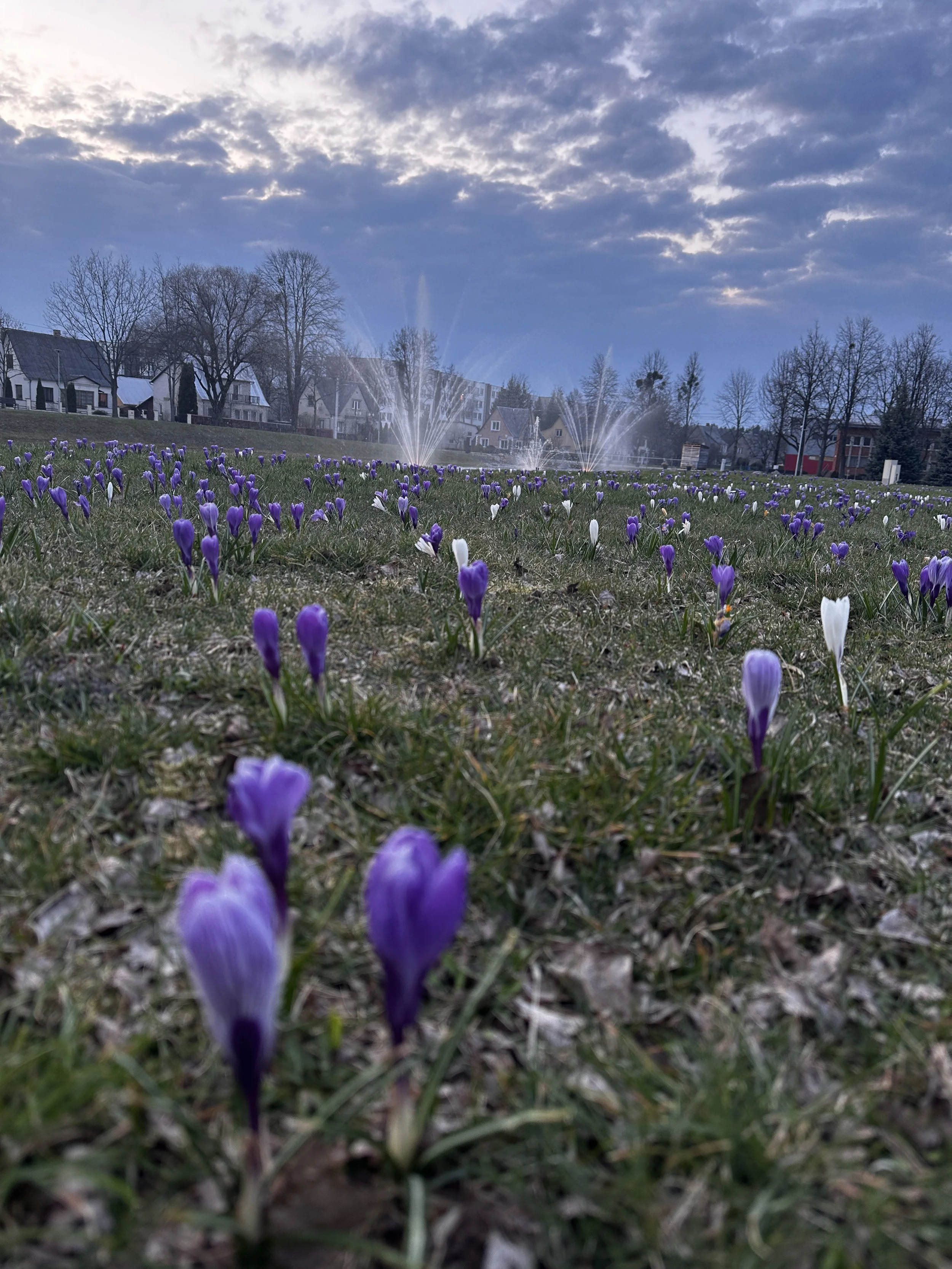
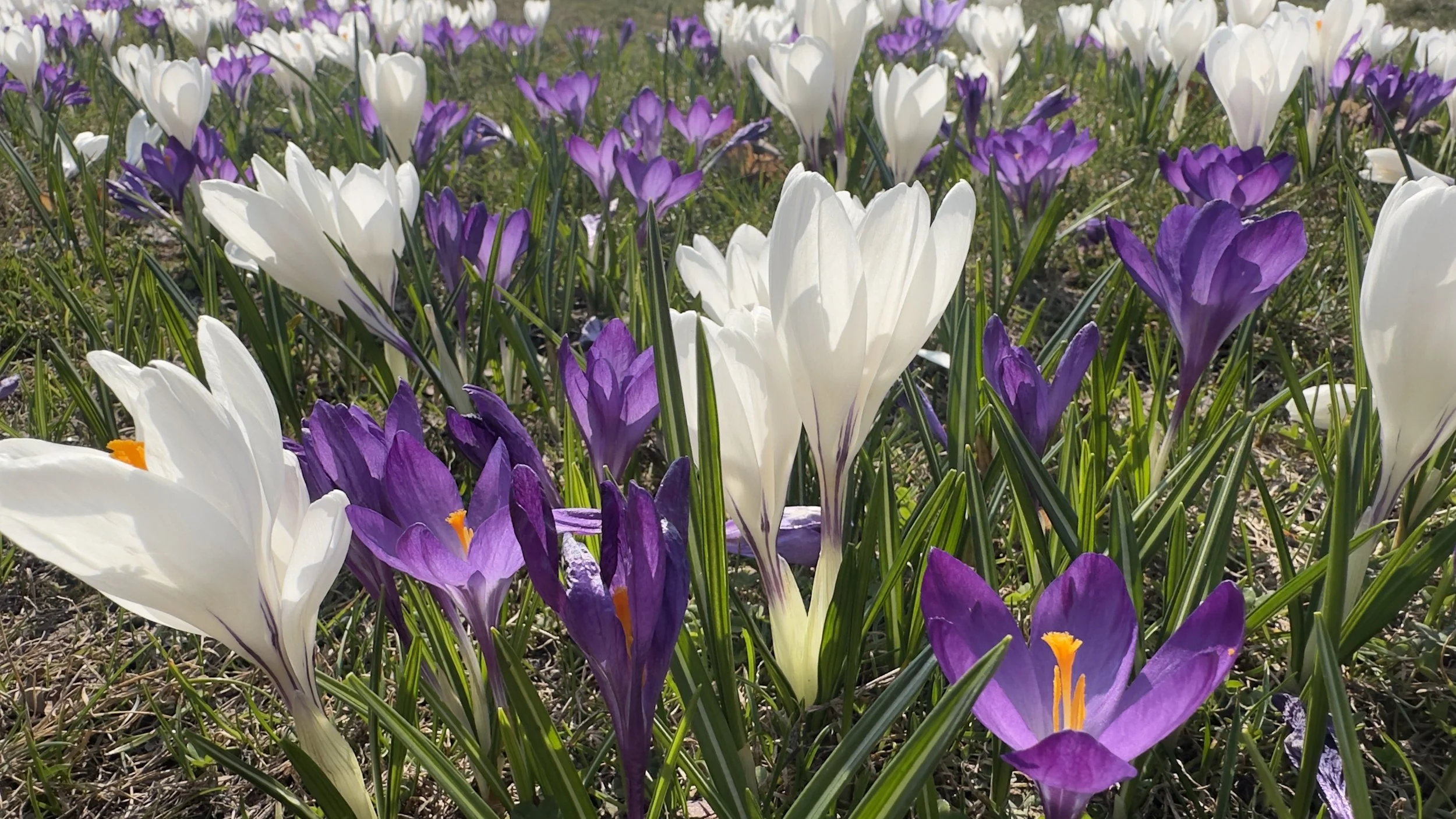
Sužvango krokų pievoj skardos
Sužvengė ir nubėgo paauglys,
po pažasčia nustvėręs drabužius,
kol maudosi pavasaris drovus.
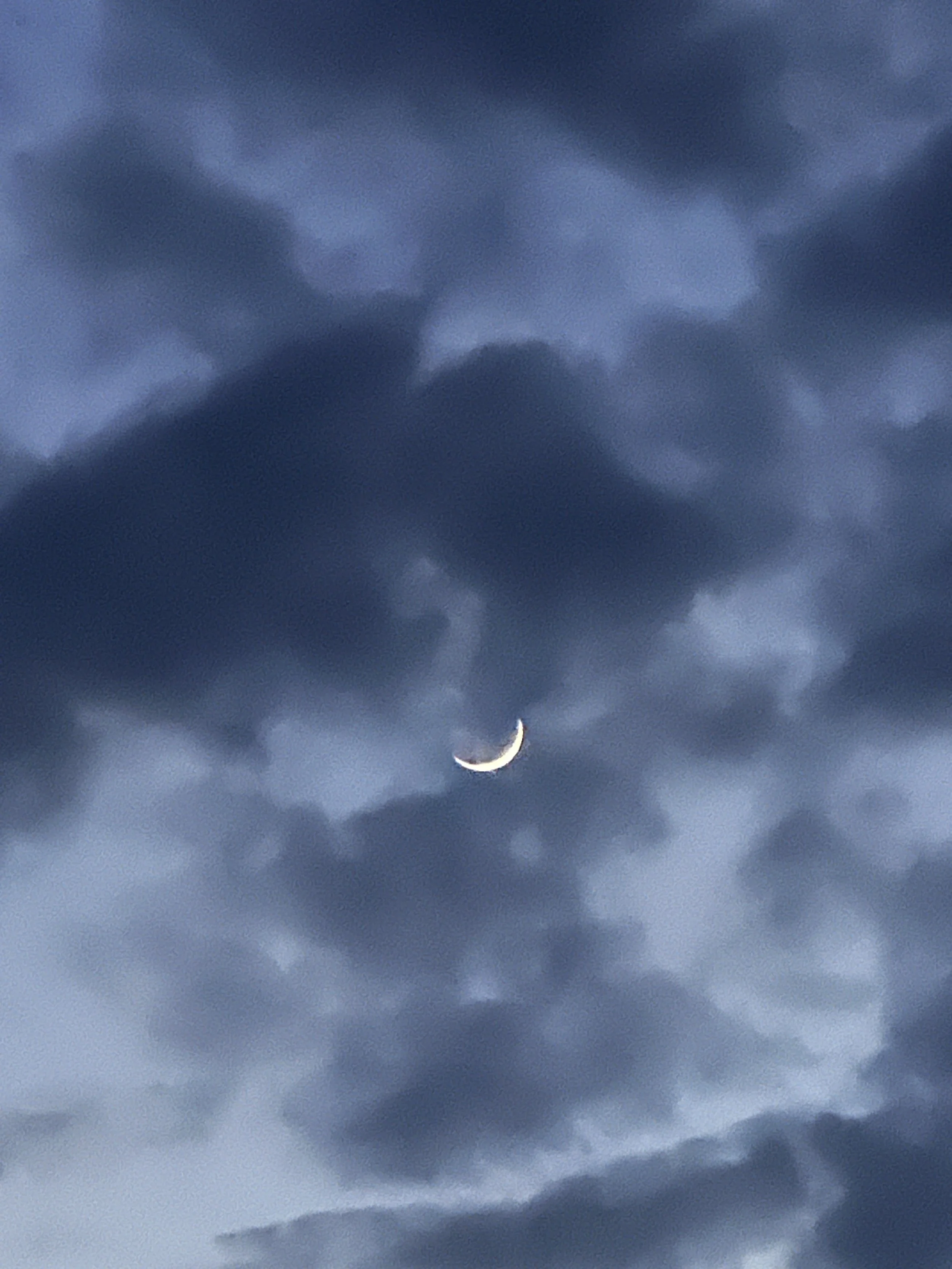
Mėnulis skruostu skardiniu žemelę glosto.
Fontanų sesės šnabžda
Moko
melstis,
kaip vėjas — mestis,
kol groja iki debesų vandens
čiurkšlių smuikai.
O kaktoje įstrigęs pagalys.
Kaip ratuose. Aky —
troba rąstinė.
Pakrantėj.
Brastoj.
Help
Aš mojavau akriliniais nagais. Kardu.
O mintyse kovojau.
Gyniau Karalaitę.
Gulbę. Sostą. Postą.
Ir uostau krokus violetinius,
baltus.
Pavargusios laputės juokias:
Pertrauka pietų.
Girdžiu karolių aidą, bet nepakylu.
Kaip ir mėnulis
prilipdytas cemente.
Paskęstu violetiniam rūke.
THE MOON
One second—
Whoosh.
An arrow.
And you're rushing through a tunnel
like an express train.
Au revoir.
Sheets of tin
clang
in a field of crocuses.
A teenage boy
neighs,
then runs away,
with clothes tucked beneath his arm,
while shy spring
bathes.
The Moon,
with its tin cheek,
caresses
the earth.
The fountain sisters
whisper.
They teach
how to pray,
how to surrender
like the wind,
while violins
of water jets
play
all the way
to the clouds.
A wooden stake
is lodged
in my forehead.
Like one
caught
in a wheel.
In my eye—
a log cabin.
By the riverbank.
At the ford.
Help.
I waved
my acrylic nails.
A sword.
Inside my mind
I fought.
I defended
the Princess.
The Swan.
The Throne.
The Post.
And I breathe in
purple crocuses.
White ones.
Tired little foxes
laugh:
Lunch break.
I hear
the echo
of the prayer beads,
but I cannot
rise.
Like the Moon,
glued
into concrete.
I sink
into violet mist.