

SAMBŪVIS | COEXISTENCE
SAMBŪVIS | COEXISTENCE
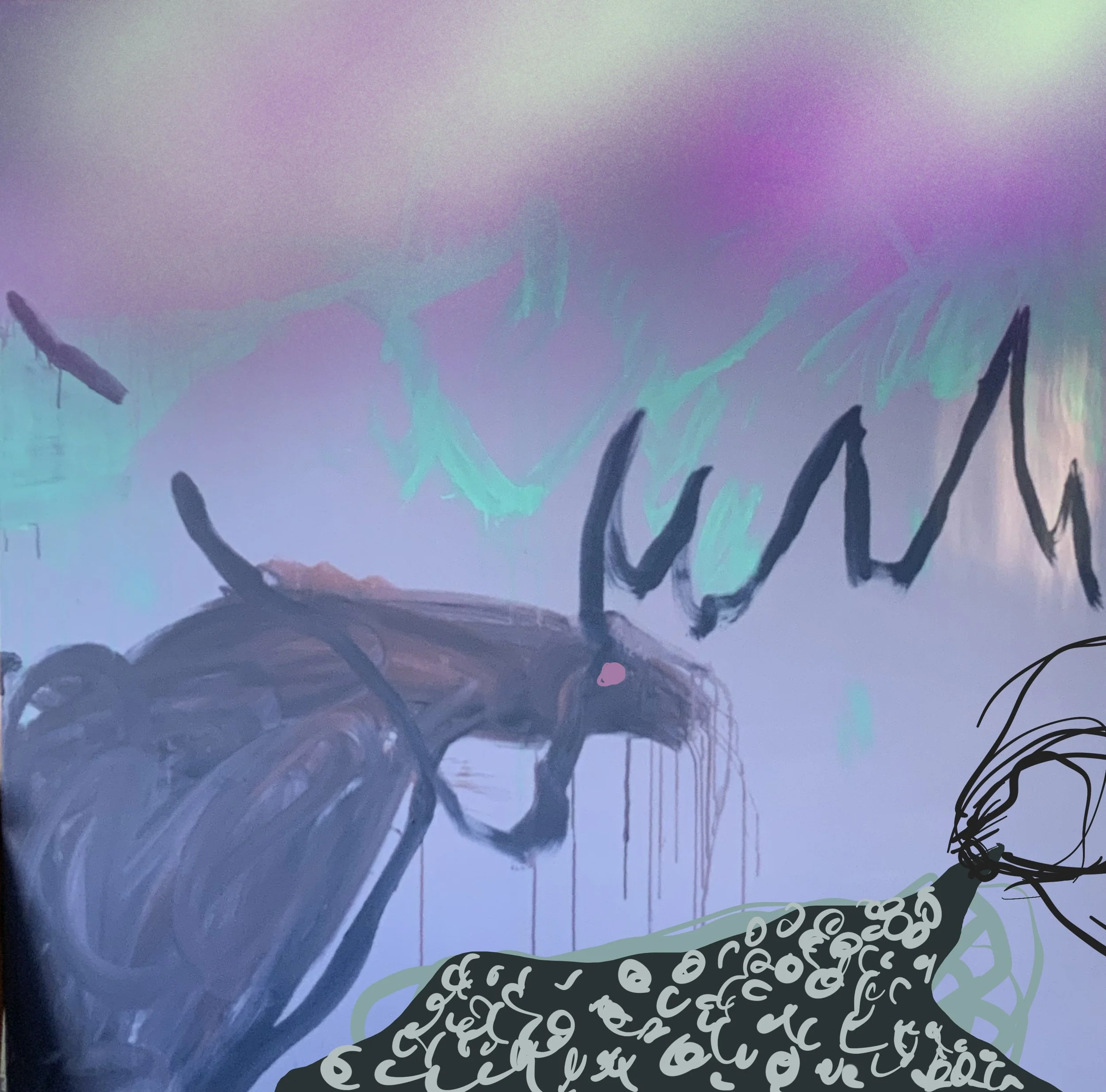
180 × 180 cm
Acrylic and spray paints on canvas
2026
KAIP GIMĖ DARBAS? HOW DID THIS WORK COME INTO BEING?
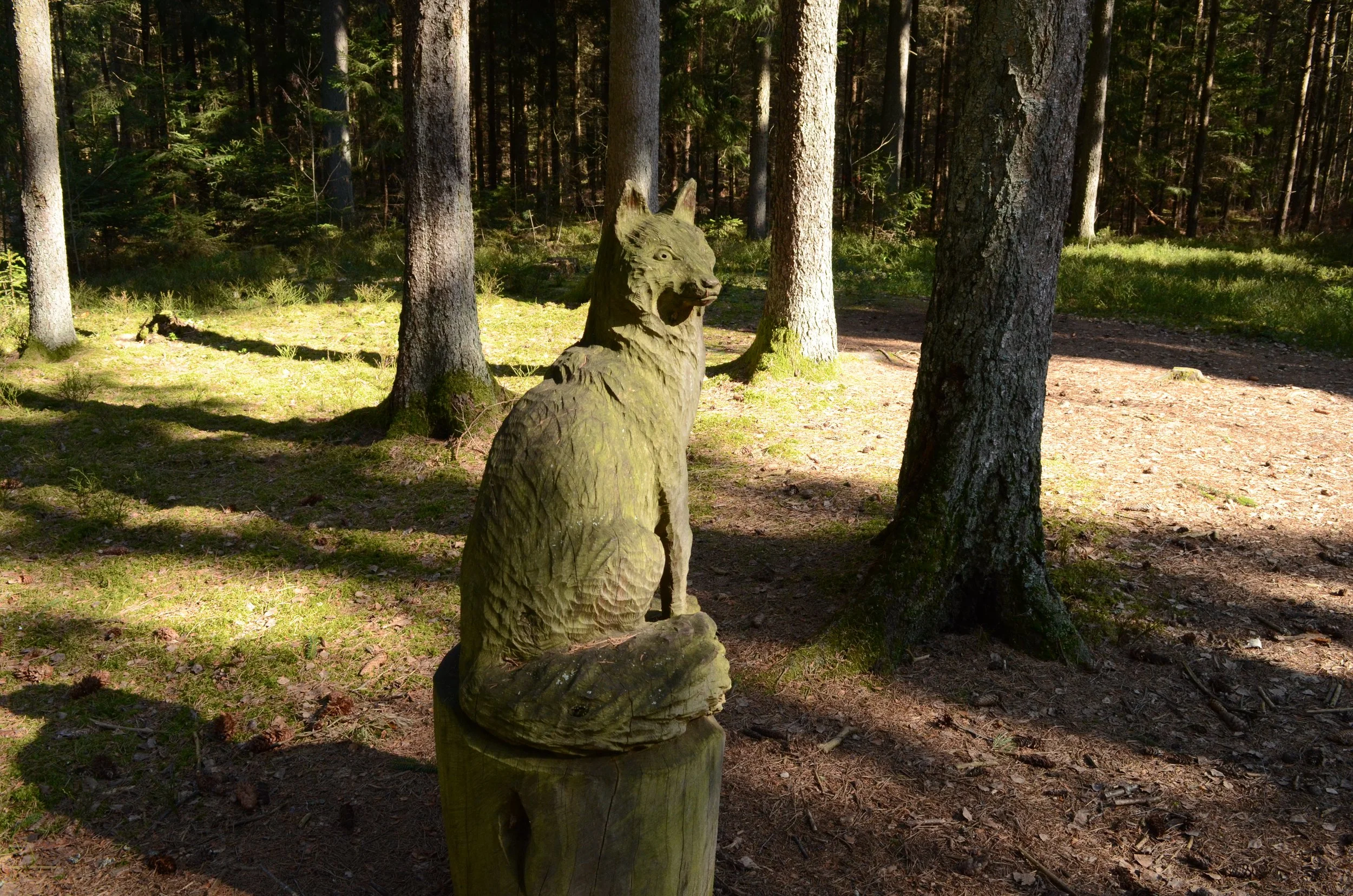
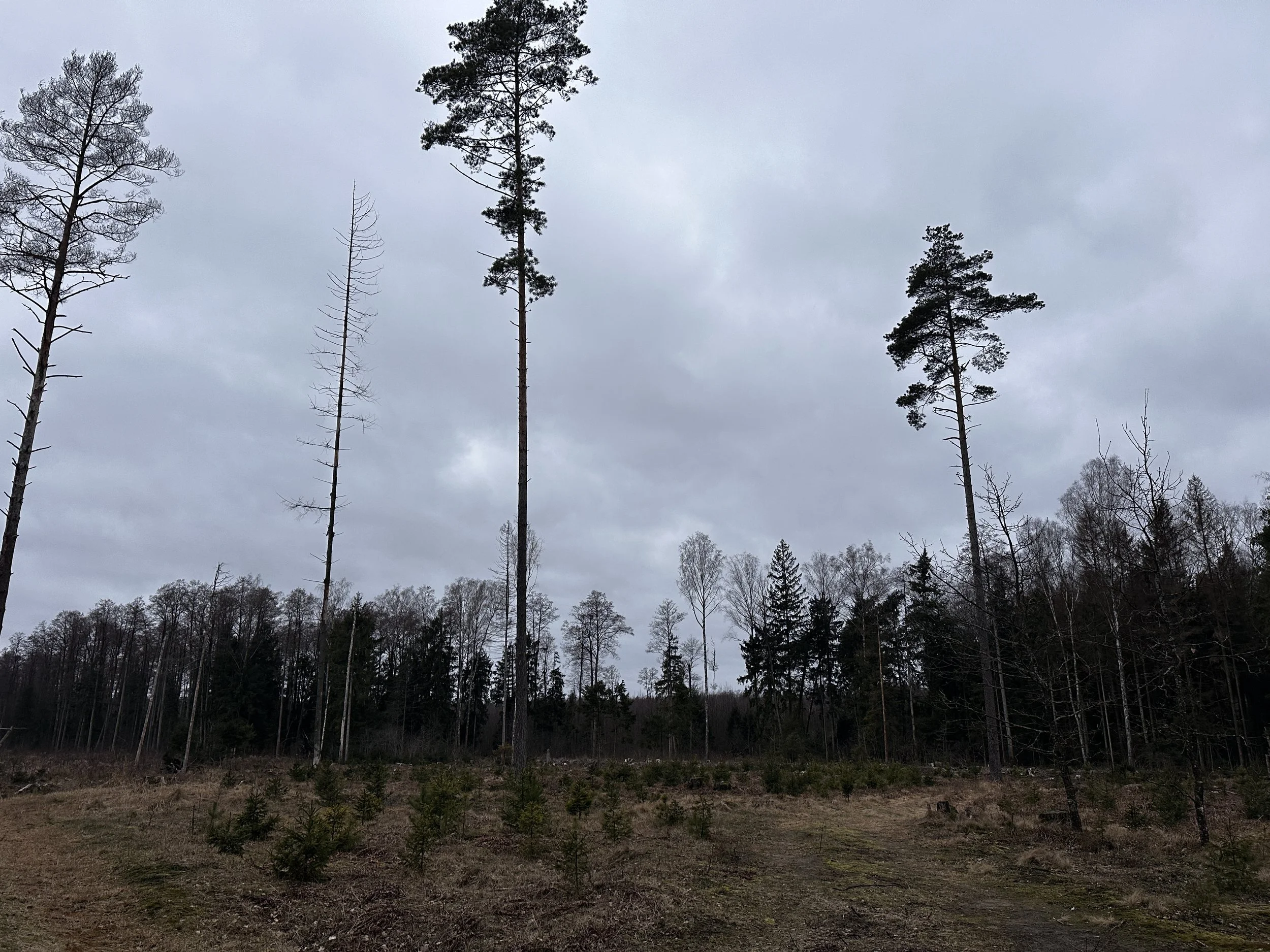
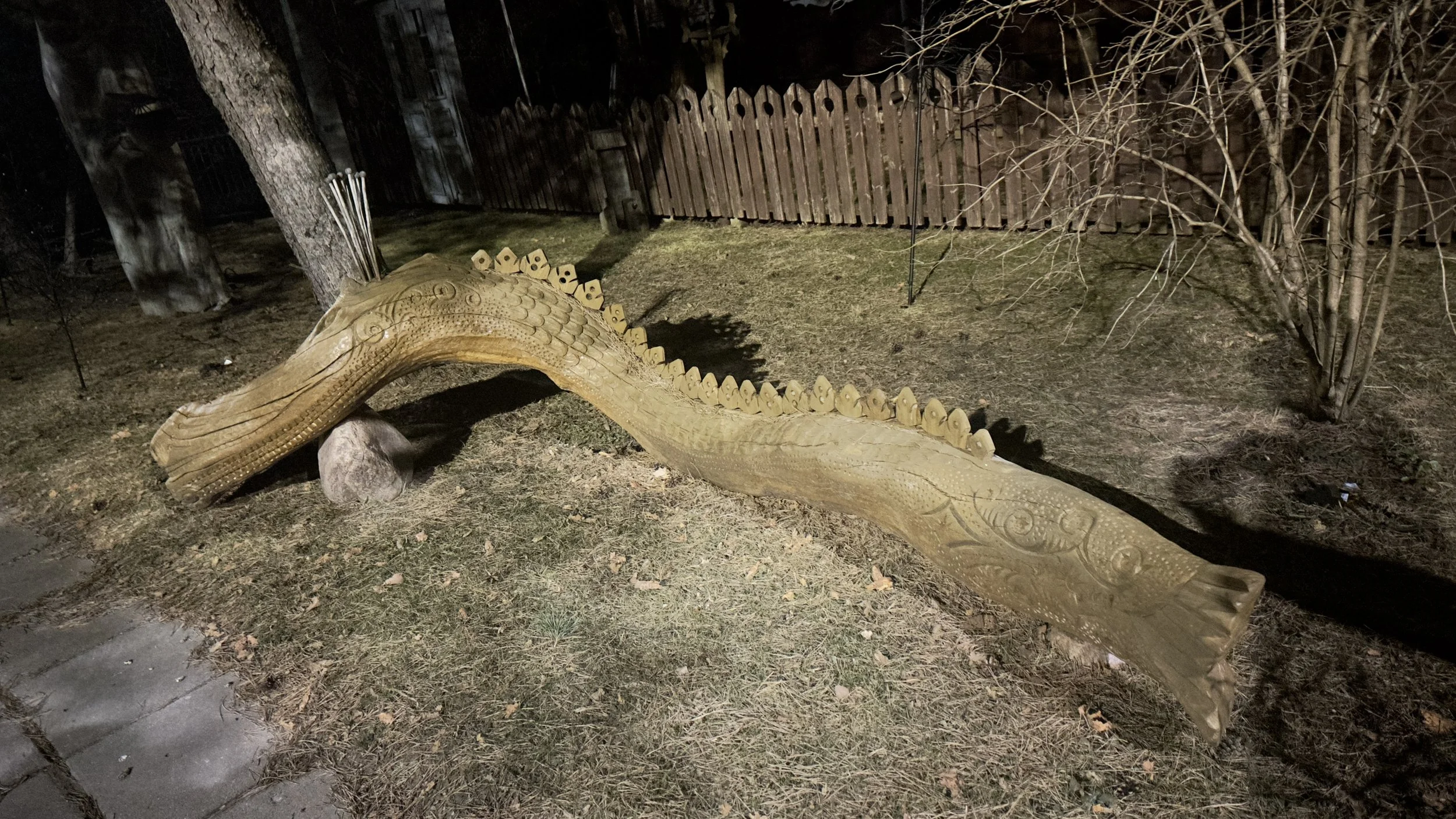
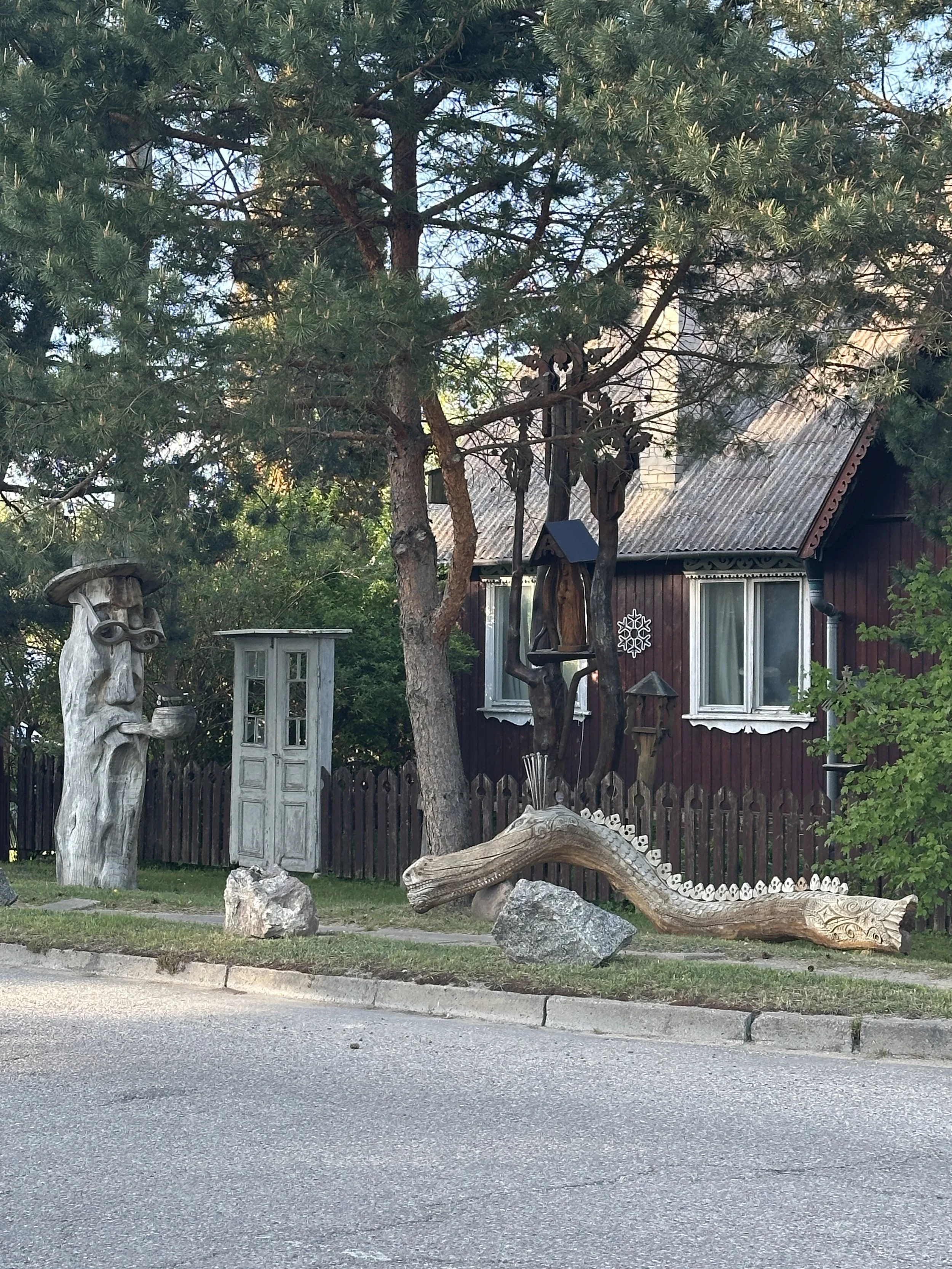
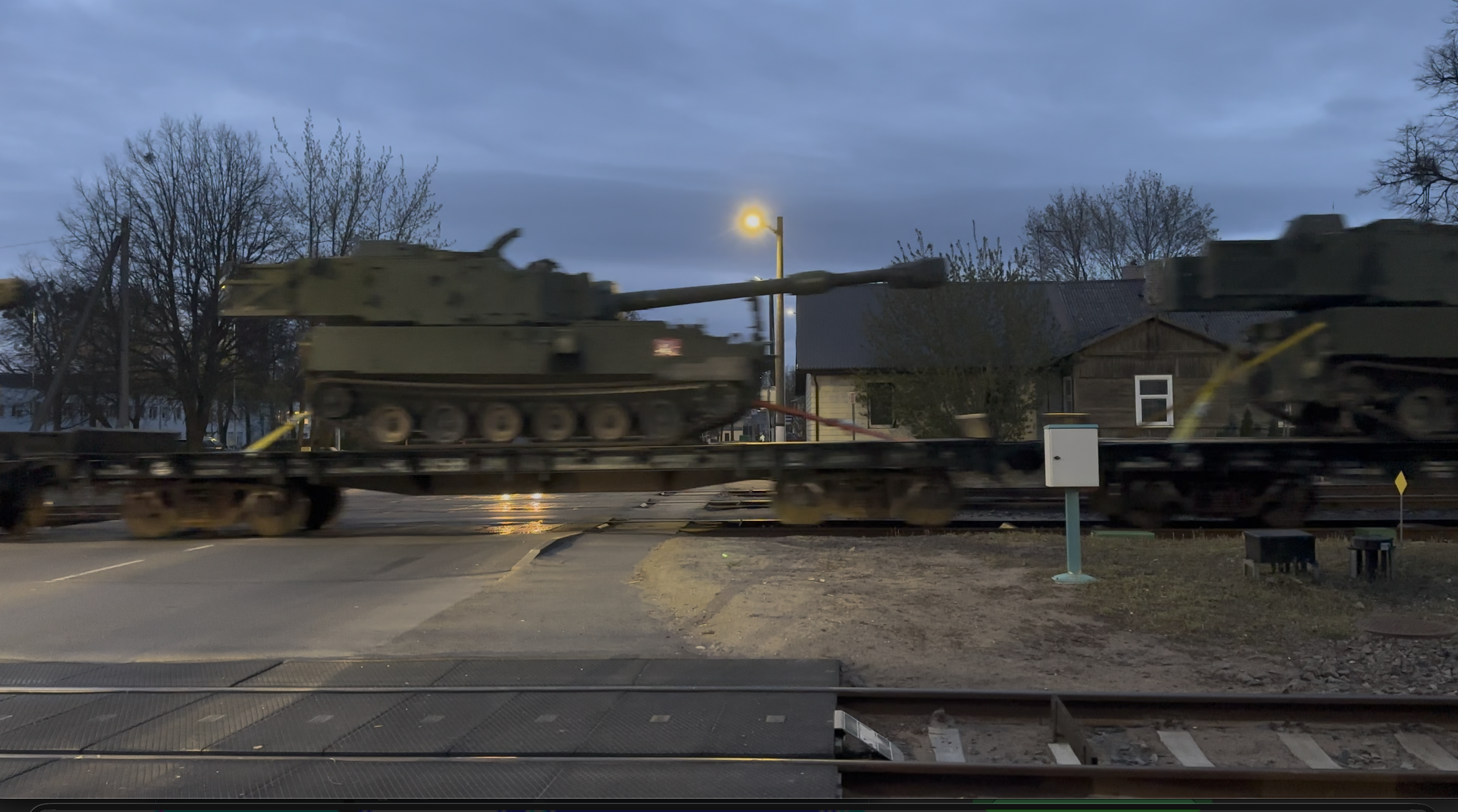
Gyvenant Kazlų Rūdoje neįmanoma nepastebėti, kaip lengvai kasdienybėje susilieja du, iš pirmo žvilgsnio nesuderinami pasauliai. Vieną dieną miške stebiuosi išdrožinėtomis medinėmis žvėrių skulptūromis, kurios stovi ratu, tarsi susirinkusios į slaptą pasitarimą. Kitą akimirką miestą kertančiais bėgiais pravažiuoja tankus gabenantis traukinys. Karinė infrastruktūra tampa ne išskirtiniu įvykiu, o įprasta kraštovaizdžio dalimi.
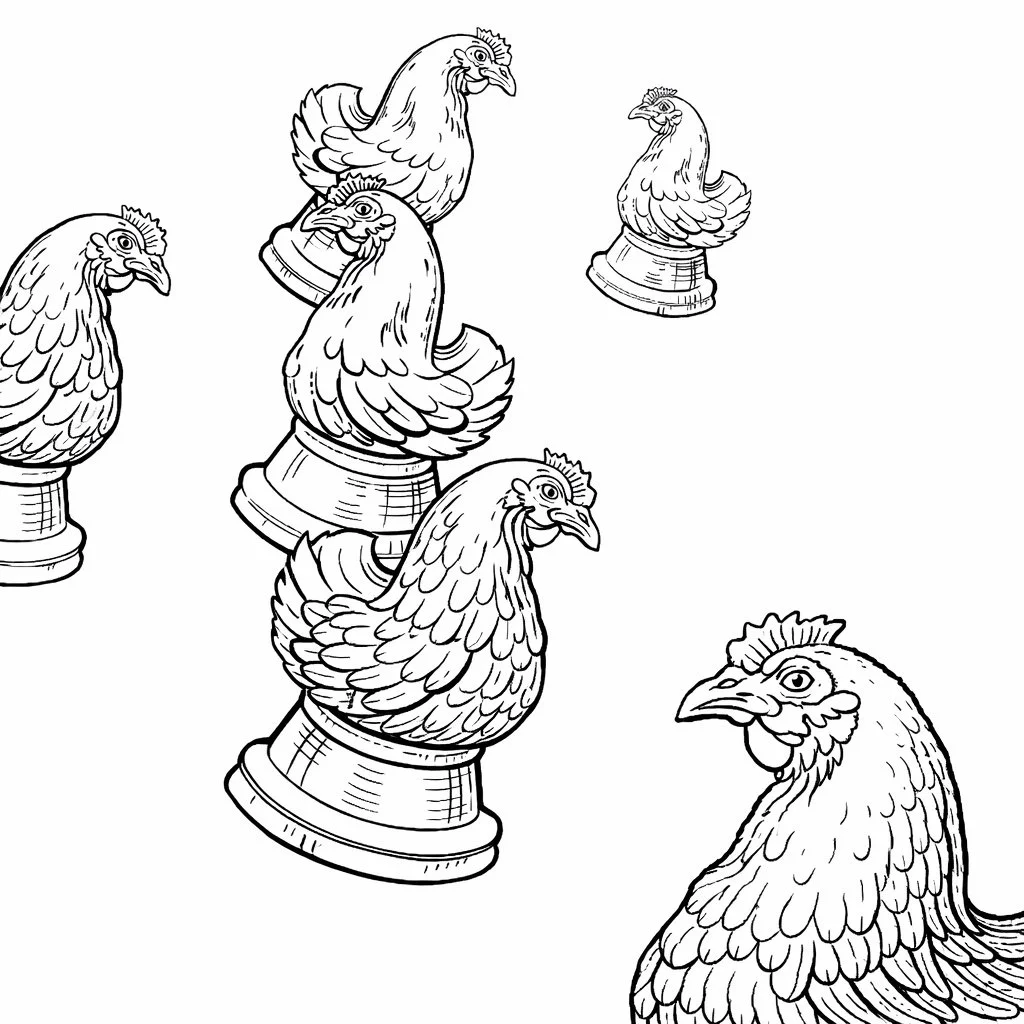
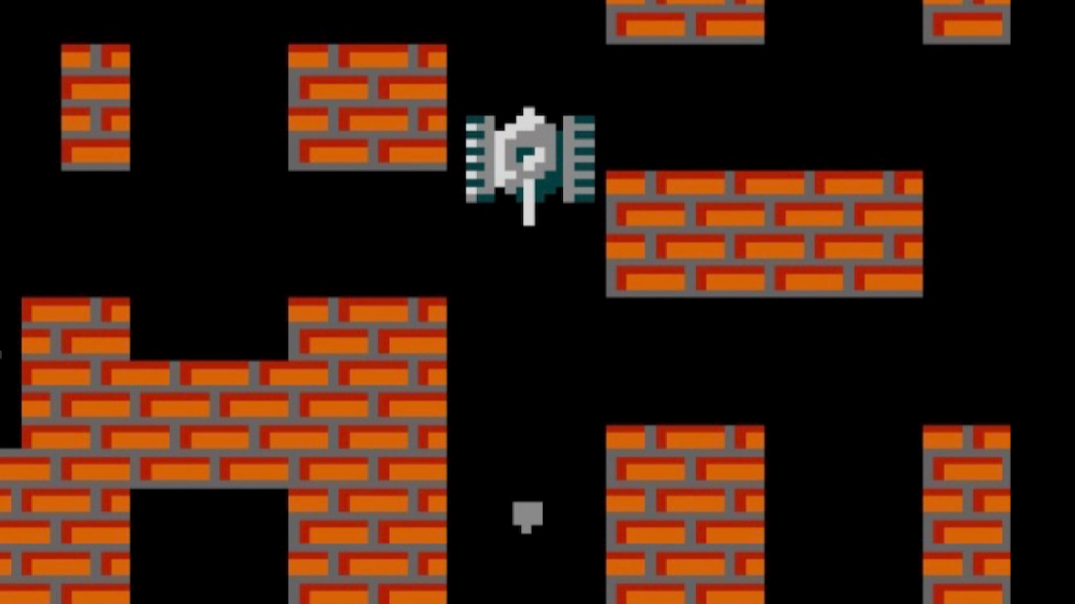
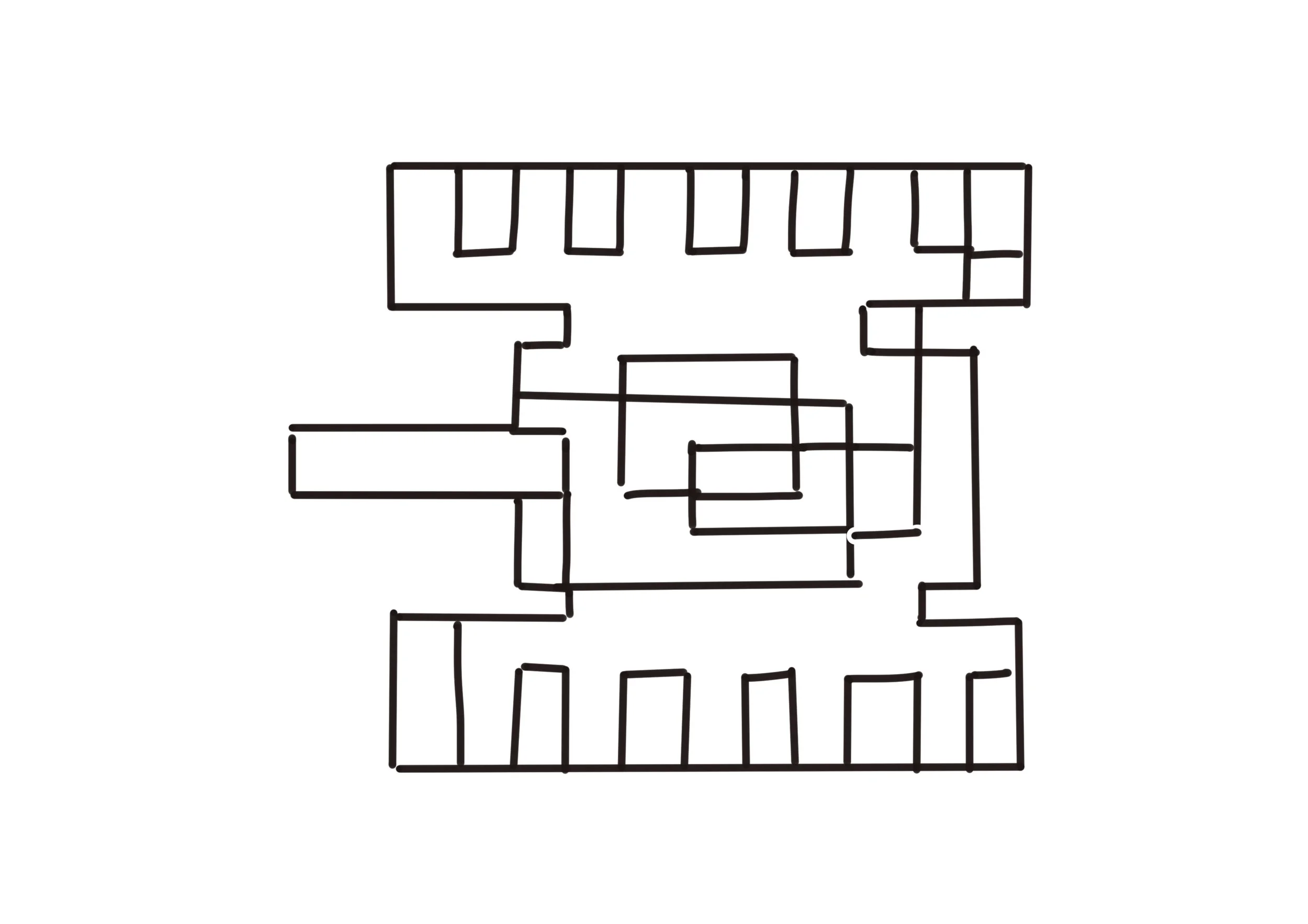
Pagrindinė paveikslo figūra įkvėpta Miško žvėrių skulptūrų parko Kazlų Rūdoje. Ji sėdi ant abstraktaus briedžio, vilki senovinius pintus šarvus ir primena karę, jojančią į kovą. Tik jos priešininkas – ne slibinas ir ne mitinis žvėris, o mažas tankiukas iš kompiuterinio žaidimo Battlefield. Į kompoziciją įtraukiau ir kitą šio žaidimo elementą – plytų siena aptvertą bazę, saugančią brangiausią turtą. Tik vietoje žaidime naudojamo erelio čia saugoma višta.
Višta Kazlų Rūdoje man tapo beveik vietos simboliu. Kiekvieną ketvirtadienį į seniūniją vietinis ūkininkas atveža ekologiškų kiaušinių. Didelė dėžutė – trys eurai. Seniūnas kartais juokauja esantis vienintelis vyras tarp moterų – lyg gaidys vištidėje. Po kurio laiko nebežinai, kas keisčiau – miške ratu sustoję mediniai žvėrys ar ketvirtadieniais seniūnijoje pardavinėjami kiaušiniai. Tokios smulkios kasdienybės detalės čia egzistuoja greta karinių kolonų, šūvių poligone ir traukinių, gabenančių tankus.
Šis kūrinys gimė iš jausmo, kad gyvenant Kazlų Rūdoje nuolatinis pasiruošimas galimam konfliktui kartais ima priminti vaikystės žaidimą. Tik žaislai šįkart tikri.
| Living in Kazlų Rūda, it is impossible not to notice how effortlessly two seemingly incompatible worlds merge into everyday life. One day I find myself fascinated by a circle of carved wooden animal sculptures standing in the forest, as if gathered for a secret meeting. The next moment, a train transporting military tanks passes through the town. Military infrastructure ceases to be an exceptional event and becomes part of the landscape.
The central figure of the painting was inspired by the Forest Animal Sculptures park in Kazlų Rūda. She sits on an abstract moose, wears ancient woven armour, and resembles a warrior riding into battle. Only her opponent is neither a dragon nor a mythical beast, but a tiny tank from the video game Battlefield. I also incorporated another element from the game—a brick-walled base protecting its most valuable asset. Instead of the eagle found in the original game, however, this one guards a chicken.
For me, the chicken gradually became almost a symbol of Kazlų Rūda. Every Thursday, a local farmer delivers organic eggs to the municipal office. A large box costs three euros. The village elder sometimes jokes that he is the only man among the women there—like a rooster in a henhouse. After a while, it becomes difficult to tell what feels more surreal: the wooden animals standing in a circle in the forest or the Thursday ritual of buying eggs at the municipal office. These ordinary details coexist with military convoys, gunfire from the training ground, and trains transporting tanks.
This painting emerged from the feeling that living in Kazlų Rūda, the constant state of preparedness for a possible conflict can sometimes resemble a childhood game. Only this time, the toys are real.
KOKĮ KLAUSIMĄ KELIA? WHAT QUESTION DOES IT ASK?
Kaip žmogus pripranta prie to, kas iš pradžių atrodė neįmanoma? Kiek prieštaravimų gali sutalpinti žmogaus sąmonė, kol jie nustoja būti prieštaravimais? Ką apskritai verta saugoti? |
How do we grow accustomed to what once seemed unimaginable? How many contradictions can the human mind hold before they cease to be contradictions? What is truly worth protecting?
KODĖL SVARBUS PROJEKTE? WHY IS IT IMPORTANT WITHIN THE PROJECT?
„Sambūvis“ atskleidžia vieną svarbiausių mano meninio tyrimo principų – skirtingų sistemų taisyklių perkėlimą į vieną erdvę. Projekte pasikartojantys kompiuterinių žaidimų motyvai nėra popkultūros citatos ar nostalgijos ženklai. Jie tampa būdu tyrinėti, kaip žmogus mokosi gyventi skirtingose sistemose – šeimoje, darbe, tikėjime, bendruomenėje ar militarizuotoje aplinkoje. Kiekviena jų turi savo taisykles, vaidmenis ir ritualus. Perkeldama vienos sistemos logiką į kitą, siekiu išjudinti tai, kas atrodo savaime suprantama, ir pakviesti žiūrovą iš naujo pažvelgti į tai, ką vadiname normalumu. |
Coexistence reveals one of the central principles of my artistic research: bringing together the rules of different systems within a single space. The recurring references to video games throughout the project are neither pop-cultural quotations nor expressions of nostalgia. Instead, they become a way of exploring how we learn to navigate different systems—family, work, faith, community, or a militarised environment. Each operates according to its own rules, roles, and rituals. By transferring the logic of one system into another, I seek to unsettle what appears self-evident and invite the viewer to reconsider what we call normal.
KONTEKSTAI I CONTEXTS
Johan Huizinga, Homo Ludens (1938)
Ludwig Wittgenstein, Philosophical Investigations (1953)
Kazlų Rūda military training grounds
Lithuanian wooden folk sculpture traditions
Battle City video game
VIETOS ISTORIJA LOCAL HISTORY
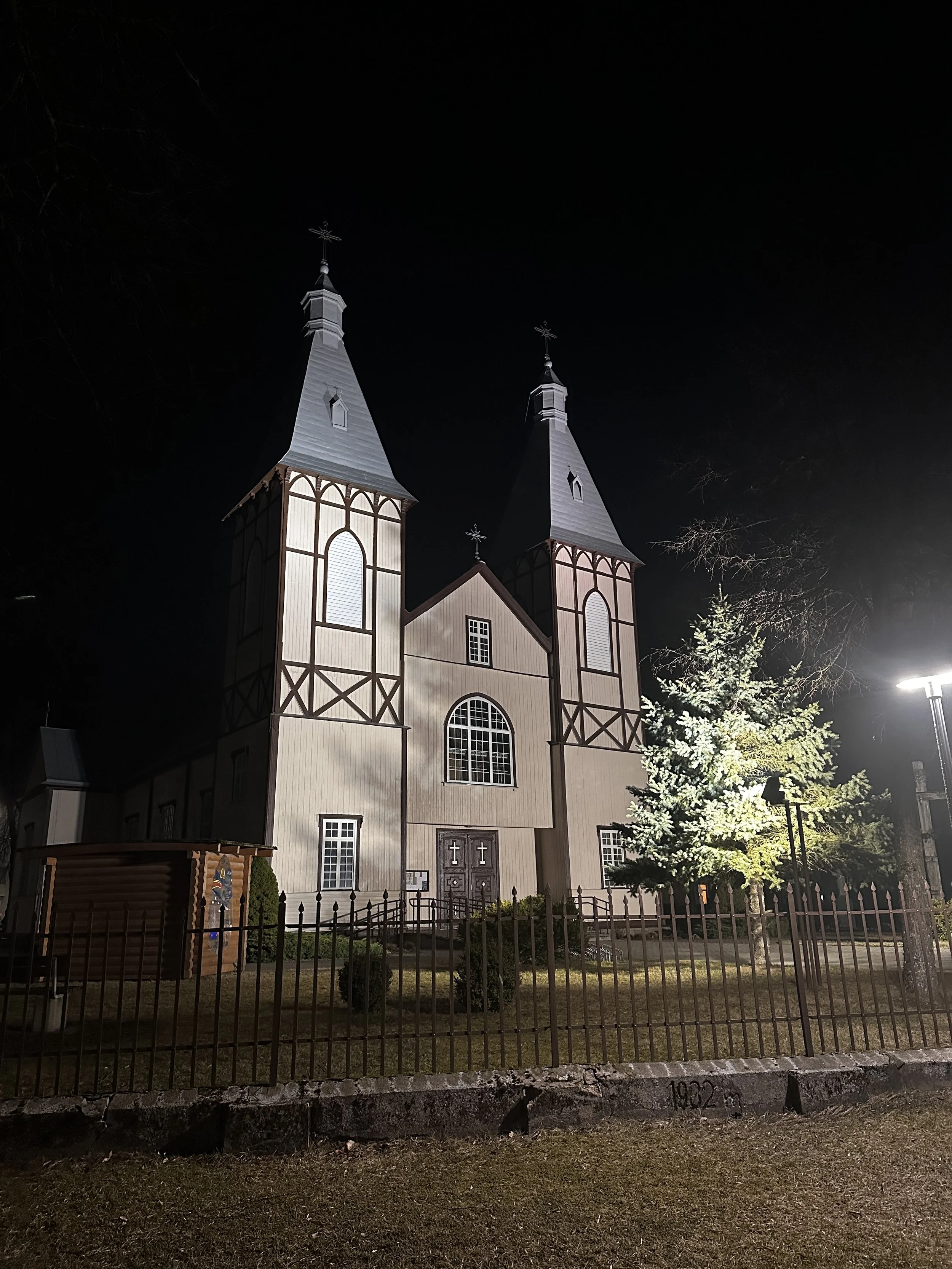
Kazlų Rūdos kraštovaizdį jau daugiau nei penkis dešimtmečius formuoja Brigados generolo Kazio Veverskio poligonas – viena svarbiausių Lietuvos kariuomenės mokymo teritorijų. Poligonas buvo įkurtas 1969 m. sovietmečiu, o atkūrus Lietuvos nepriklausomybę tapo Lietuvos kariuomenės treniruočių vieta. Pastaraisiais metais jo teritorija buvo reikšmingai išplėsta ir šiandien siekia apie 9 200 ha, todėl jis yra vienas didžiausių karinių poligonų Lietuvoje. Čia vyksta pėstininkų, šarvuotosios technikos, minosvaidžių, granatsvaidžių ir kitų ginklų pratybos, o infrastruktūra nuolat plečiama, siekiant sudaryti sąlygas Lietuvos ir NATO karių rengimui. 2014 m. poligonui suteiktas Lietuvos partizanų vado Brigados generolo Kazio Veverskio vardas.
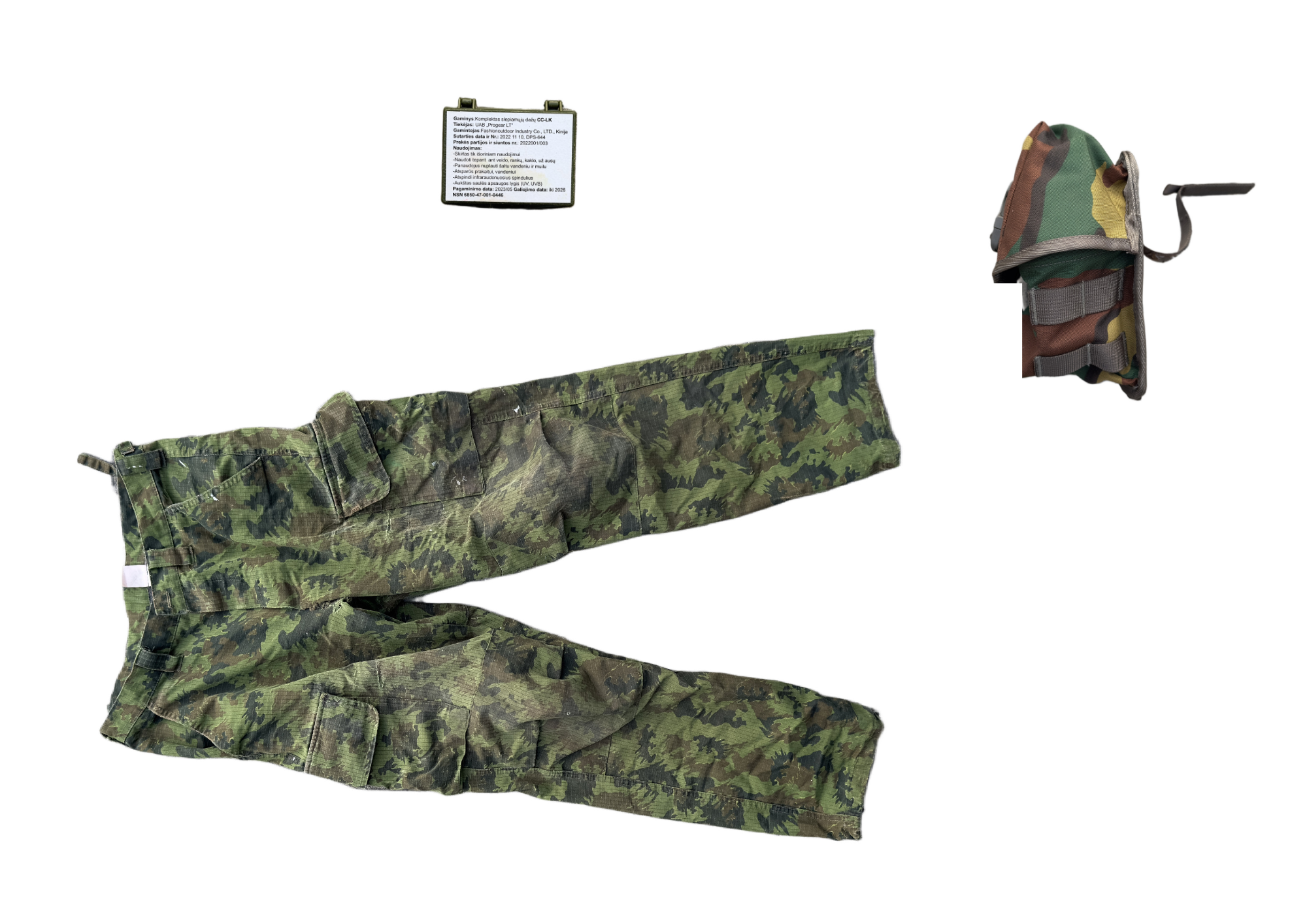
Gyvenant Kazlų Rūdoje poligonas tampa ne abstrakčia vieta žemėlapyje, o kasdienybės dalimi. Šūviai miške, karinę techniką gabenantys traukiniai ir pratybų perspėjimai čia tampa įprastu fonu. Vien 2026 m. liepos mėnesį kovinio šaudymo ir lauko pratybos arba lauko pratybos buvo suplanuotos kiekvieną mėnesio dieną, o didžiąją jų dalį sudarė kovinio šaudymo pratybos.
For more than five decades, the landscape of Kazlų Rūda has been shaped by the Brigadier General Kazys Veverskis Military Training Area, one of the principal training grounds of the Lithuanian Armed Forces. Established in 1969 during the Soviet period, the training area became part of the Lithuanian Armed Forces after the restoration of Lithuania's independence. In recent years, its territory has been significantly expanded to approximately 9,200 hectares, making it one of the largest military training areas in Lithuania. Infantry, armoured vehicle, mortar, grenade launcher, and other live-fire exercises are conducted here, while the infrastructure continues to be developed to support the training of both Lithuanian and NATO forces. In 2014, the training area was officially named after Brigadier General Kazys Veverskis, a commander of the Lithuanian partisan resistance.
Living in Kazlų Rūda, the training area becomes not an abstract place on a map but part of everyday life. Gunfire echoing through the forest, trains transporting military vehicles, and training notices form a familiar backdrop to daily routines. In July 2026 alone, either live-fire and field exercises or field exercises were scheduled on every day of the month, with live-fire exercises accounting for the majority of the schedule.
NUOTRAUKOS | PHOTOS
KŪRYBINIS PROCESAS | CREATIVE PROCESS
VIDEO
GARSAS | SOUND
POEZIJA | POETRY
TAISYKLĖS
(Kazlų Rūda, 2026 m. liepa)
Vaikystėje po pamokų
su broliu
iš medinės sekcijos apatinės lentynos
ištraukdavome
Vilkaviškio turguje pirktą kompiuterį.
Pajungdavome jį
prie televizoriaus „Tauras“.
Išsirinkdavome disketę.
Kartais ją įgrūsti
tekdavo iš visų jėgų,
kad veiktų.
Ekranas trumpam pajuoduodavo.
Kartais reikėdavo
pajudinti laidą,
kol pagaudavo kontaktą.
Tada pasigirsdavo muzika.
Dažnai lošdavom
Battle City.
Tankiukai.
Plytų sienos.
Erelis.
Du mygtukai.
Trys gyvybės.
Jeigu pataikai —
sprogsta.
Jeigu žūsti —
pradedi iš naujo.
Dabar sėdžiu opelyje.
Laukiu,
kol pakels pervažą.
Dun-dun,
dun-dun.
Traukiniu
perveža tankus.
Miške aidi šūviai.
Pagarsinu radiją.
Lyja.
Kartais pagalvoju,
kad žaidimas
taip ir nesibaigė.
Grafika
pagerėjo.
THE RULES
After school,
my brother and I
would pull our computer
from the bottom shelf
of the old wooden cabinet.
Bought at the market
in Vilkaviškis.
We'd hook it up
to the television.
Pick a floppy disk.
Sometimes
you had to force it in
with all your strength
to make it work.
The screen
would go black.
Sometimes
you had to wiggle the cable
until it found contact.
Then the music.
Most afternoons
we played
Battle City.
Little tanks.
Brick walls.
The eagle.
Two buttons.
Three lives.
If you hit —
it explodes.
If you die —
you start again.
Now I sit
in my Opel.
Waiting
for the railway barrier
to rise.
Dun-dun,
dun-dun.
A train
carries tanks.
Gunfire
echoes through the forest.
I turn up the radio.
It's raining.
Sometimes I think
the game
never really ended.
The graphics
just got better.
(Kazlų Rūda, July 2026)