

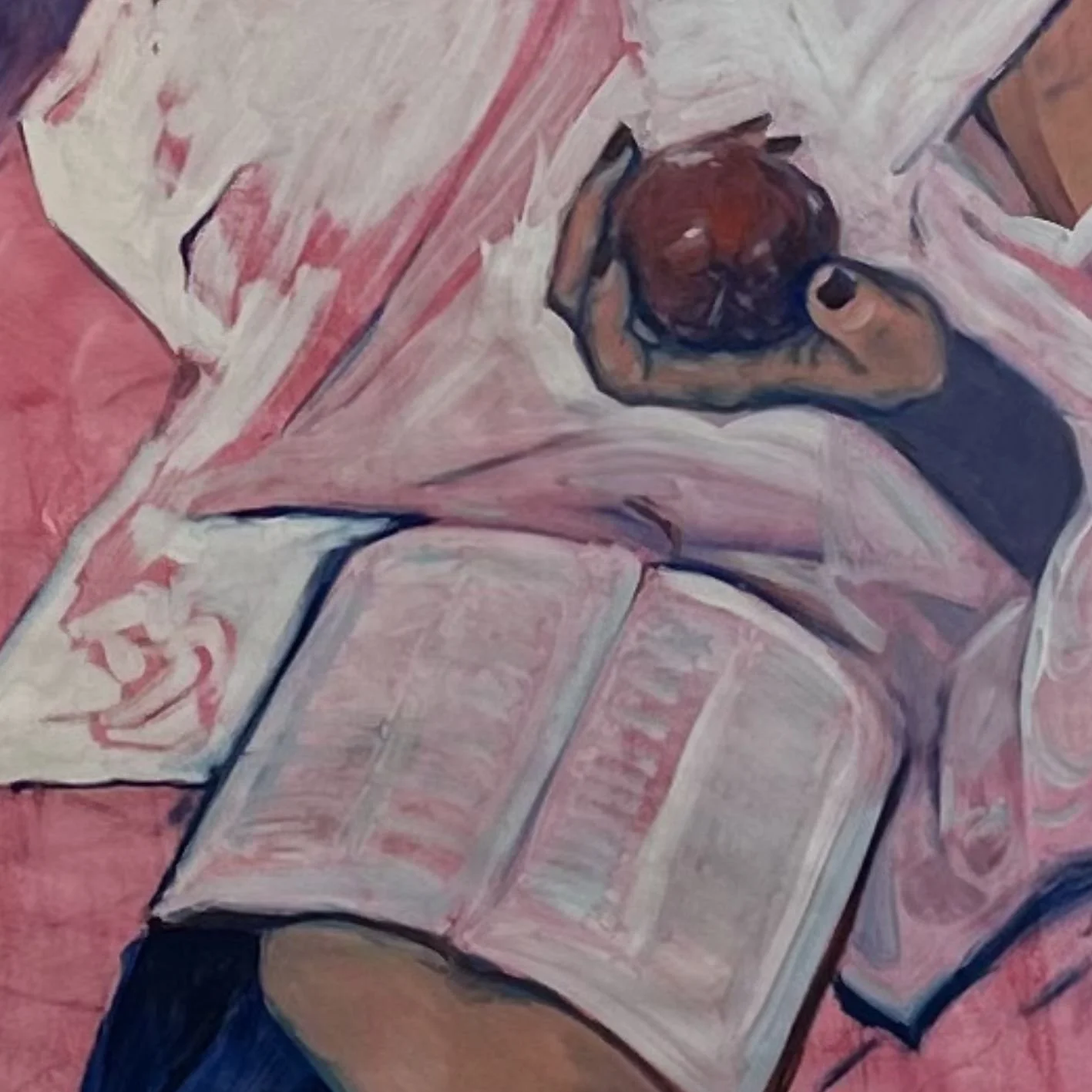
ALKIS | HUNGER
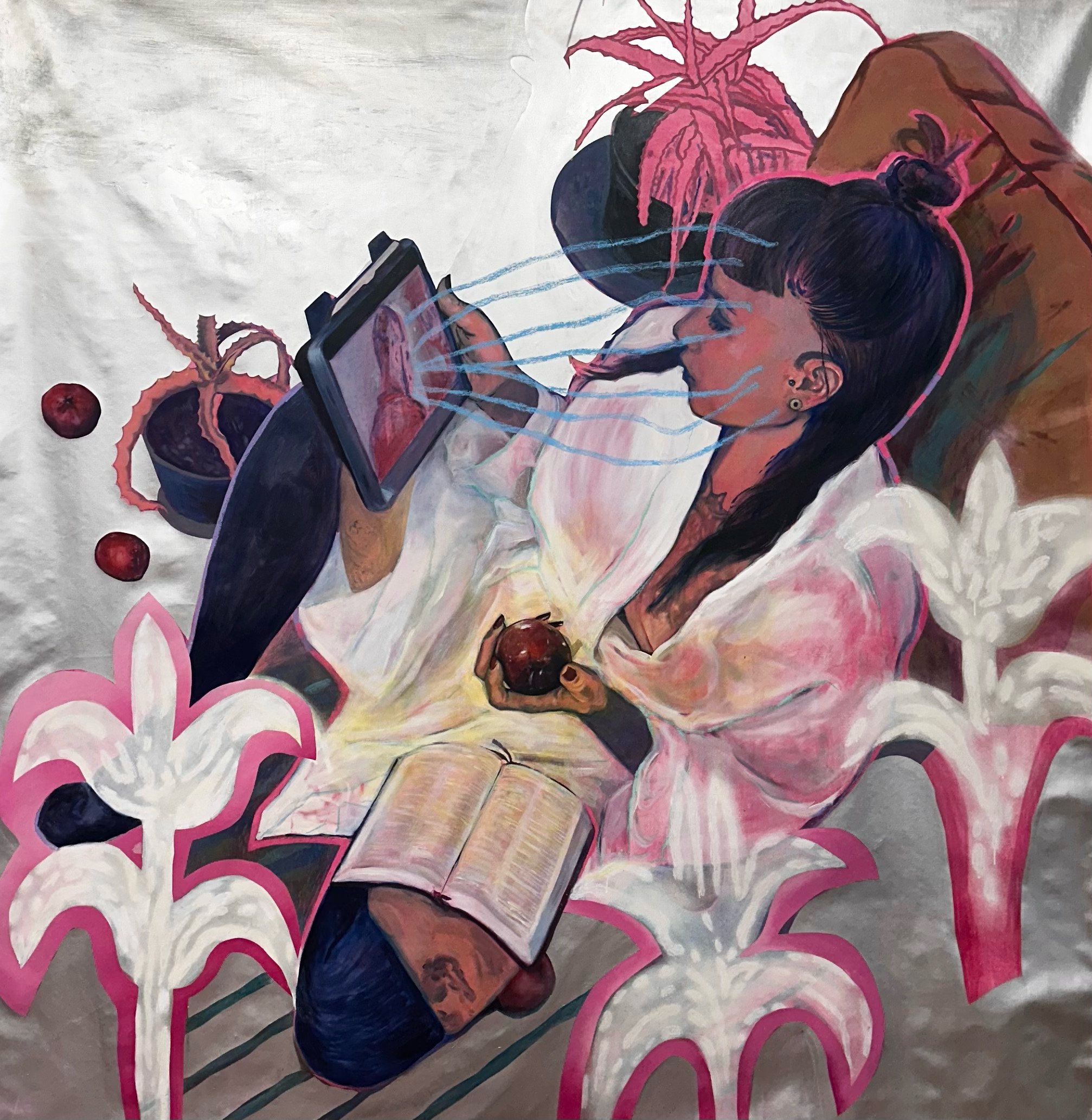
ALKIS | HUNGER
220 × 200 cm
Acrylic on canvas
2026
KAIP GIMĖ DARBAS? HOW DID THIS WORK COME INTO BEING?
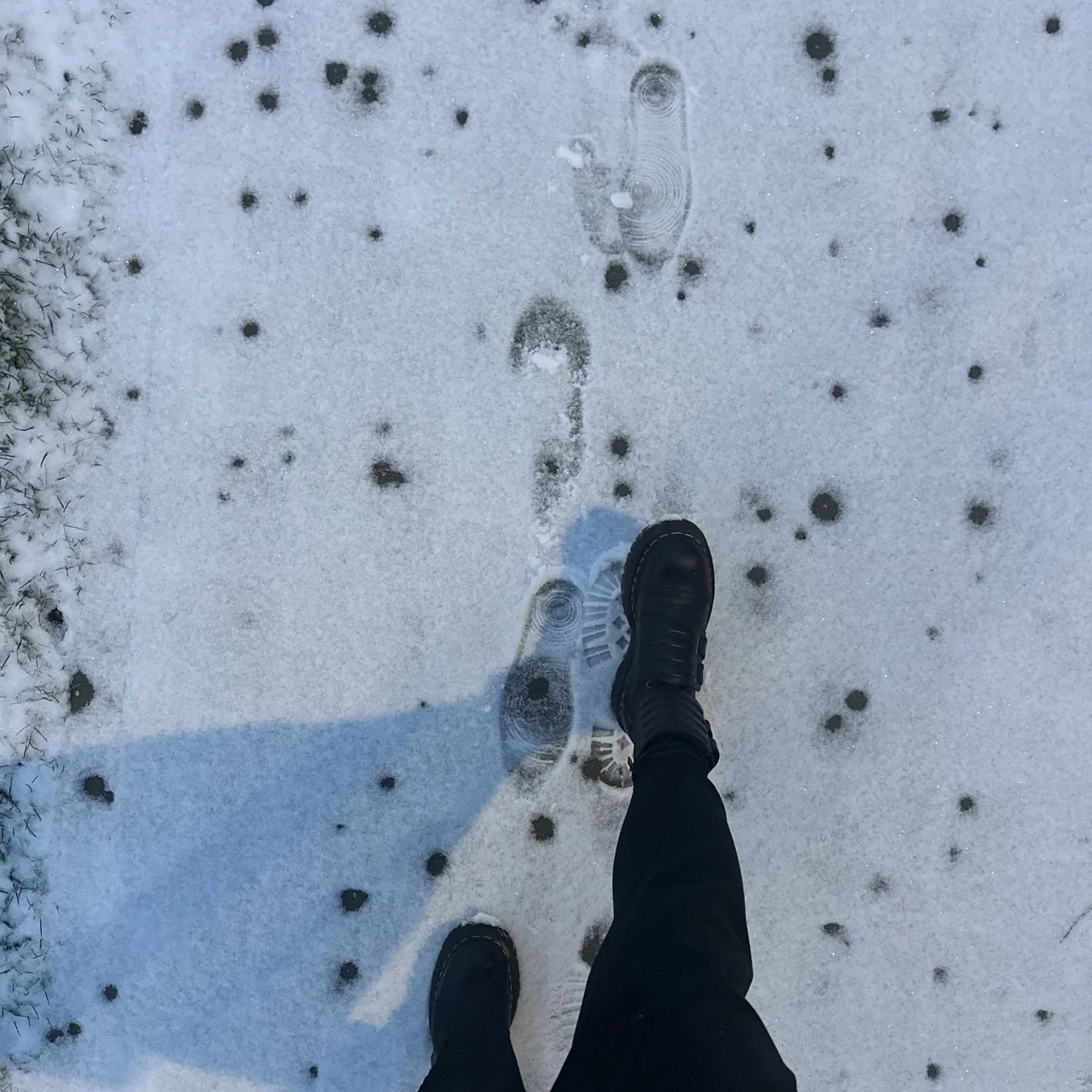
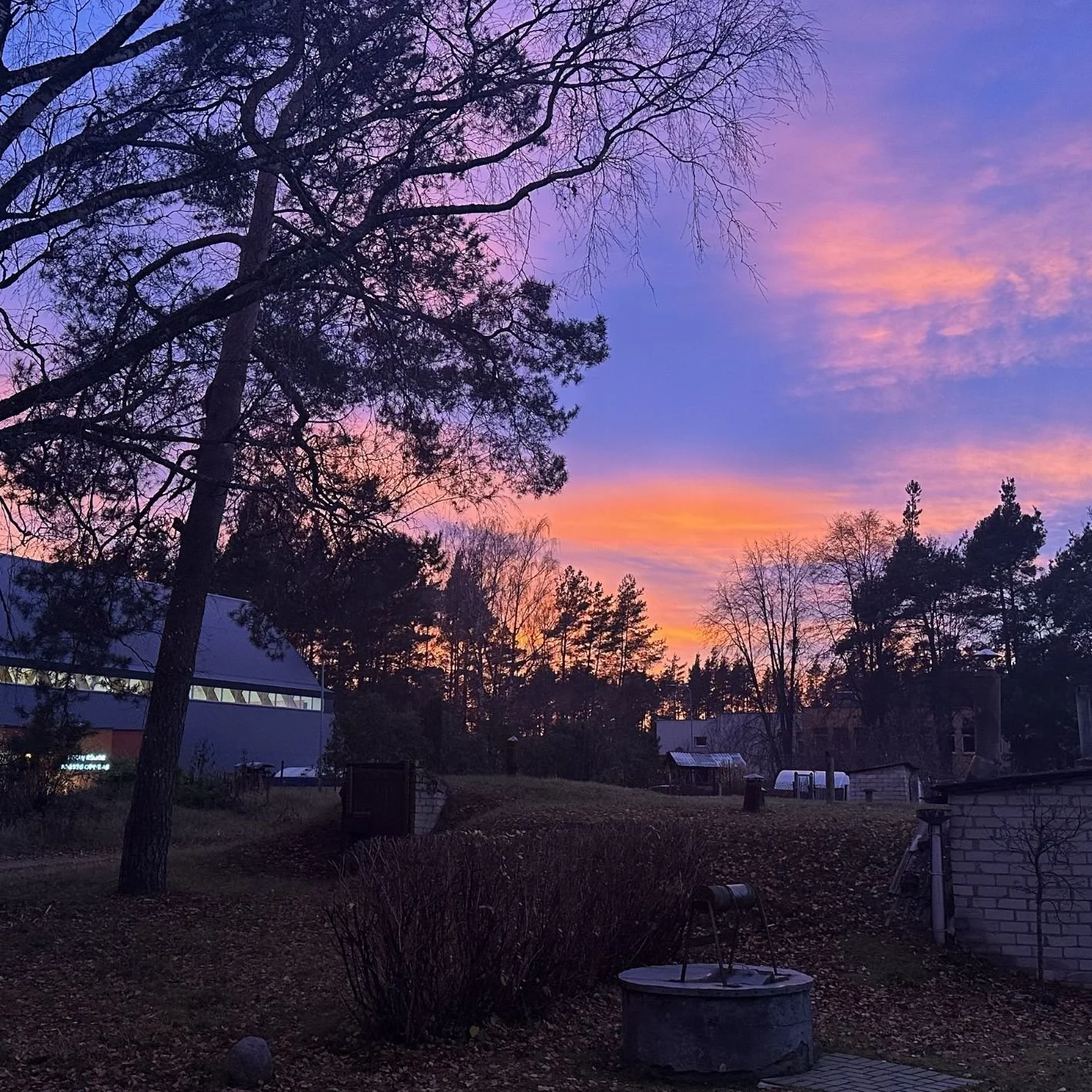
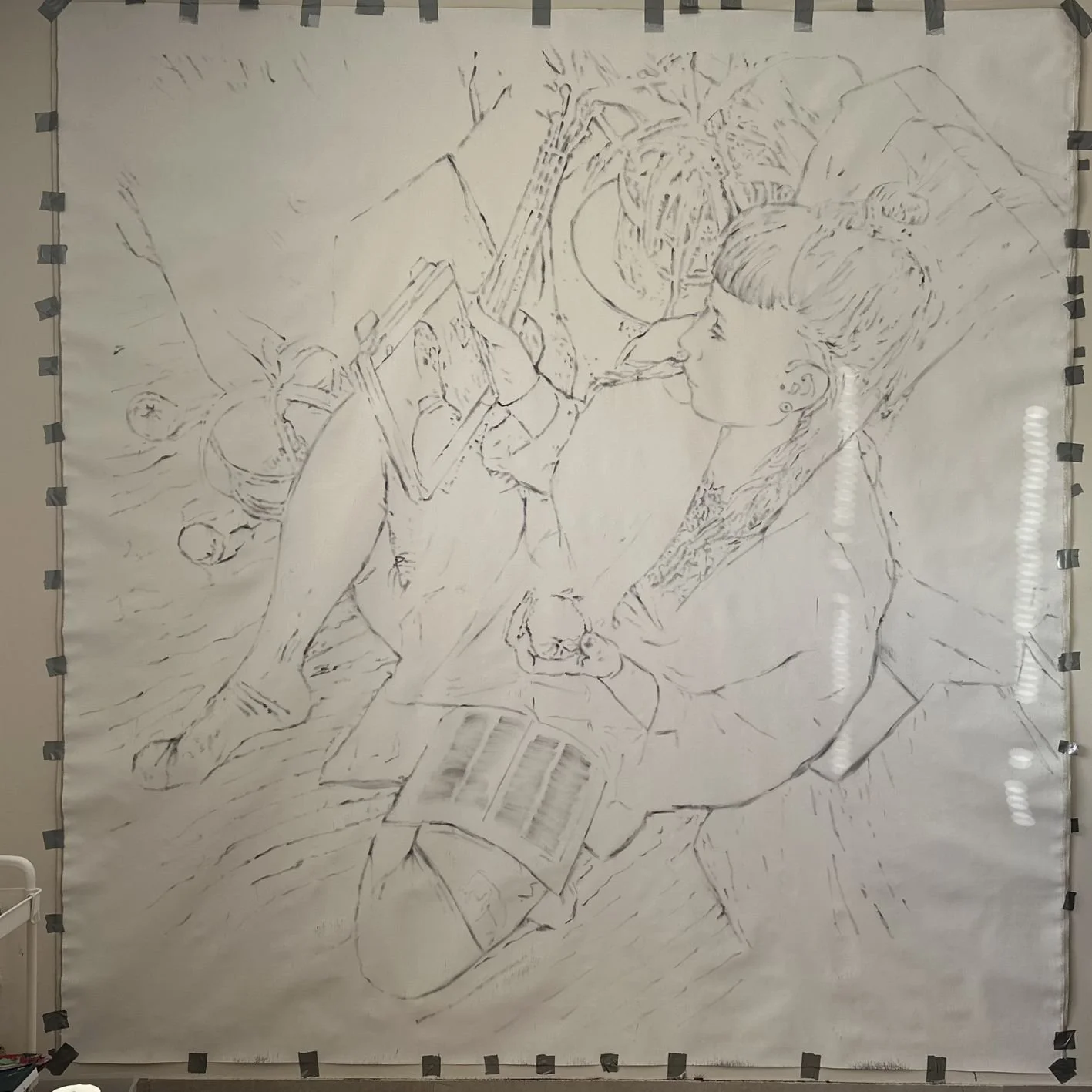
Šis paveikslas gimė pirmaisiais gyvenimo Kazlų Rūdoje mėnesiais. Persikėlus į miestą, kuriame nieko nepažinojau, kasdienybę lydėjo vienatvės, ilgesio ir emocinio alkio patirtis. Miško tyla ir lėtesnis gyvenimo ritmas ne tik ramino, bet ir išryškino vidinius klausimus, kuriuos didmiesčio triukšme buvo lengviau nustelbti. Nors tikėjimas man priminė, kad nesu viena, žmogiškasis poreikis patirti artumą ir būti mylimai fiziniame pasaulyje niekur nedingo. | This painting emerged during my first months of living in Kazlų Rūda. Moving to a town where I knew no one, I found myself experiencing loneliness, longing, and a profound sense of emotional hunger. The silence of the surrounding forest and the slower pace of everyday life were not only calming—they also brought to the surface questions that had been easier to suppress amid the constant noise of the city. Although my faith reminded me that I was never truly alone, the deeply human desire for closeness and to feel loved in the physical world remained.
KOKĮ KLAUSIMĄ KELIA? WHAT QUESTION DOES IT ASK?
Kaip išlaikyti dėmesį tam, kas iš tiesų svarbu, kai viduje juntamas emocinis alkis ir nuolatinis noras ieškoti greito pasitenkinimo? Kur šiandien nukreipiame savo žvilgsnį – į tai, kas akimirksniu stimuliuoja, ar į tai, kas ilgainiui augina? | How do we keep our attention focused on what truly matters when we experience emotional hunger and the constant temptation of immediate gratification? Where do we direct our gaze today—towards what instantly stimulates us, or towards what gradually transforms and nourishes us?
KODĖL SVARBUS PROJEKTE? WHY IS IT IMPORTANT WITHIN THE PROJECT?
„Alkis“ yra vienas asmeniškiausių projekto „Mažiau garso – daugiau šviesos“ darbų. Jame asmeninė patirtis tampa tyrimo medžiaga. Gyvenimas prie miško paskatino kurti lėtesnę ir sąmoningesnę kasdienybę, tačiau kartu atskleidė vidinę kovą tarp troškimo susitelkti į prasmingą veiklą ir nuolatinio polinkio ieškoti išorinių dirgiklių. Šis paveikslas žymi tyrimo momentą, kai dėmesio klausimas tampa ne teorine, o kasdien išgyvenama patirtimi. | Hunger is one of the most personal works in the artistic research project Less Noise – More Light. Here, personal experience becomes research material. Living beside the forest encouraged me to build a slower and more mindful way of life, yet it also revealed an ongoing inner tension between the desire to devote myself to meaningful work and the persistent pull of external distractions. This painting marks a pivotal moment in the research, where the question of attention ceases to be merely theoretical and becomes a lived, everyday experience.
TEORINIAI ATSPIRTIES TAŠKAI THEORETICAL REFERENCES
Paveikslas „Alkis“ tyrinėja dėmesio, troškimo ir savidisciplinos klausimus. Šie motyvai rezonuoja su Georgo Wilhelmo Friedricho Hegelio etikos samprata, išdėstyta veikale The Philosophical Propadeutic (1808–1811). Hegelis malonumą apibūdina kaip subjektyvų ir atsitiktinį išgyvenimą, o proto paskirtį sieja su gebėjimu atpažinti tai, kas universalu ir iš tiesų verta siekio. | Hunger explores questions of attention, desire, and self-discipline. These themes resonate with Georg Wilhelm Friedrich Hegel's ethical philosophy as developed in The Philosophical Propadeutic (1808–1811). Hegel describes pleasure as a subjective and contingent experience, while reason enables us to recognize what is universal and genuinely worthy of pursuit.
Jis rašo: | He writes:
„Protas panaikina tą neapibrėžtumą, kuris malonumo ieško vien pačiuose objektuose, apvalo mūsų polinkius nuo to, kas subjektyvu ir atsitiktina, ir moko atpažinti tai, kas universalu ir iš tiesų verta siekio.“
"Reason annuls that indeterminateness which feels pleasure in mere objects, purifies the content of our propensities from what is subjective and contingent, and teaches how to recognize what is universal and essentially the solely desirable."
(G. W. F. Hegel, The Philosophical Propadeutic, 1808–1811, Science of Duties or Morals, §38.)
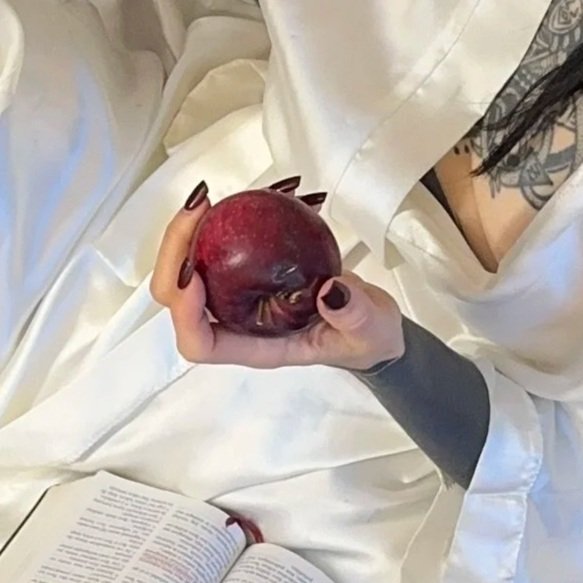
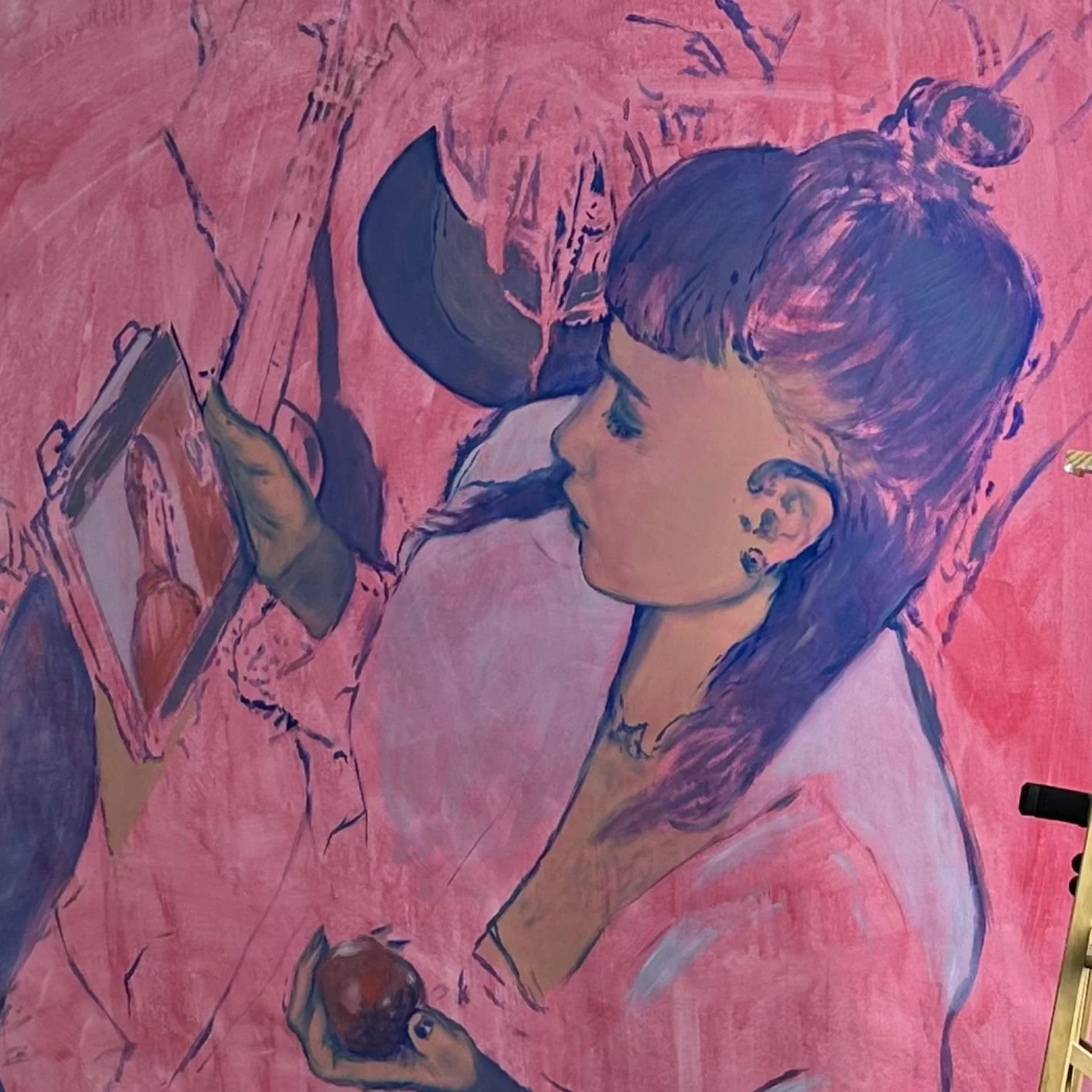
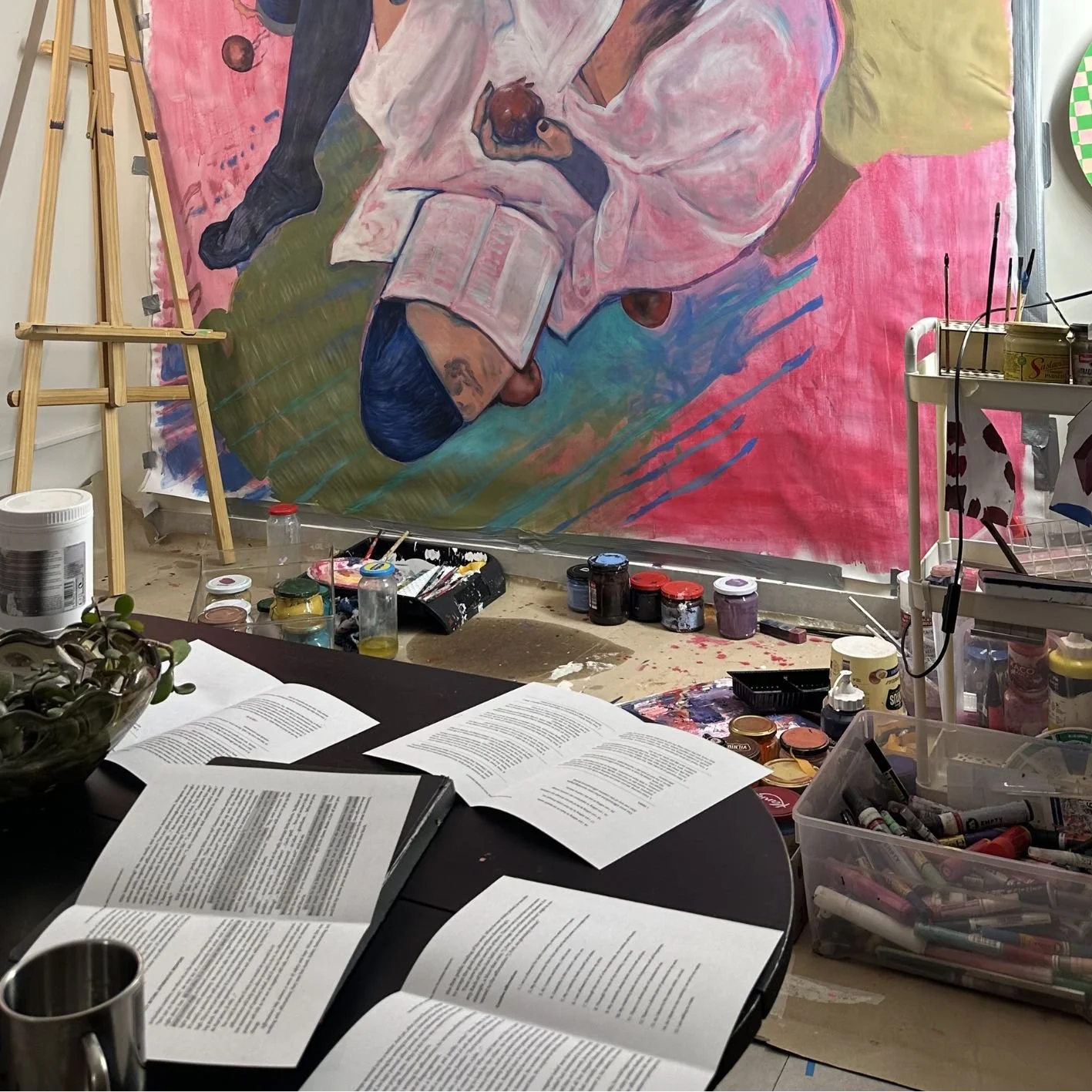
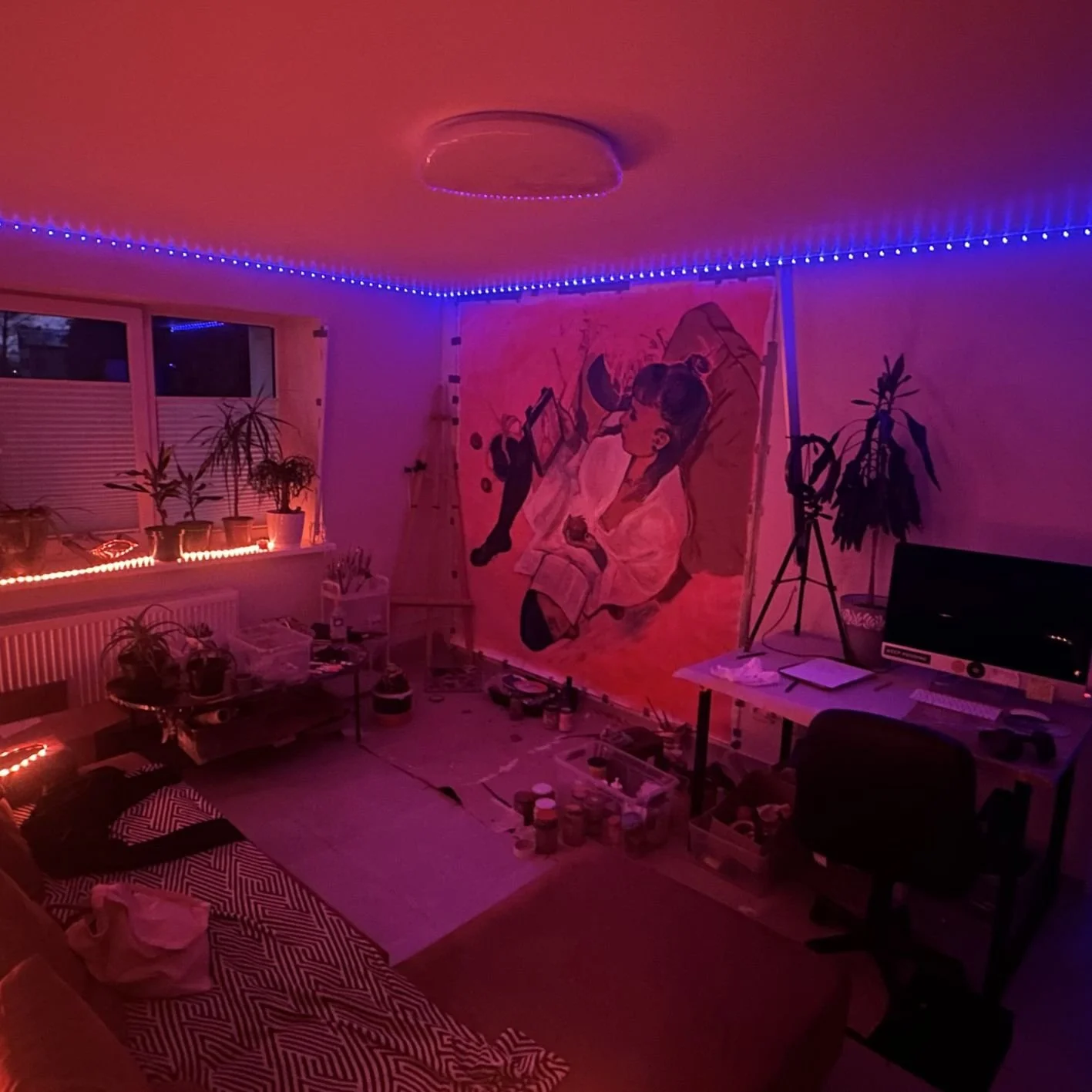
Ši mintis padeda suprasti pagrindinę paveikslo įtampą. Planšetinis kompiuteris tampa momentinės stimuliacijos ir fragmentuoto dėmesio simboliu, o atversta Biblija – orientacijos į tai, kas pranoksta trumpalaikius impulsus ir kviečia susitelkti į ilgalaikę prasmę. | This passage illuminates the central tension of the painting. The tablet becomes a symbol of immediate stimulation and fragmented attention, while the open Bible represents an orientation toward that which transcends momentary impulses and invites sustained meaning and reflection.
Nors Hegelis nerašė apie skaitmenines technologijas, jo samprotavimai apie proto, malonumo ir dėmesio santykį netikėtai rezonuoja su šiandienos skaitmenine kultūra, kurioje žmogaus dėmesys tampa nuolat konkuruojančiu resursu. Šiame kontekste „Alkis“ gali būti skaitomas kaip filosofinė refleksija apie troškimą, dėmesį ir vidinę discipliną. Kūrinys tęsia mano ilgalaikį meninį tyrimą, kuriame nagrinėju technologijų, tikėjimo ir žmogaus santykį. | Although Hegel was not writing about digital technologies, his reflections on reason, pleasure, and attention resonate strikingly with contemporary digital culture, where human attention has become an increasingly contested resource. In this sense, Hunger can be understood as a philosophical reflection on desire, attention, and inner discipline. The work continues my long-term artistic research exploring the relationship between technology, faith, and human experience.
VIETOS ISTORIJA LOCAL HISTORY
Kazlų Rūda nėra vieta, kurios tapatybę suformavo pramogos ar miesto šurmulys. Nuo XVIII a. jos istorija augo kartu su mišku – geležies rūdos lydymu, medienos verslais, deguto gamyba ir miškininkyste. Vietovės raida buvo paremta darbu, ištverme ir gebėjimu prisitaikyti prie aplinkos. Istoriniuose šaltiniuose minima ir Jadvyga Kazlienė – viena pirmųjų šio krašto verslininkių, po vyro mirties perėmusi ir sėkmingai toliau plėtojusi šeimos verslus.
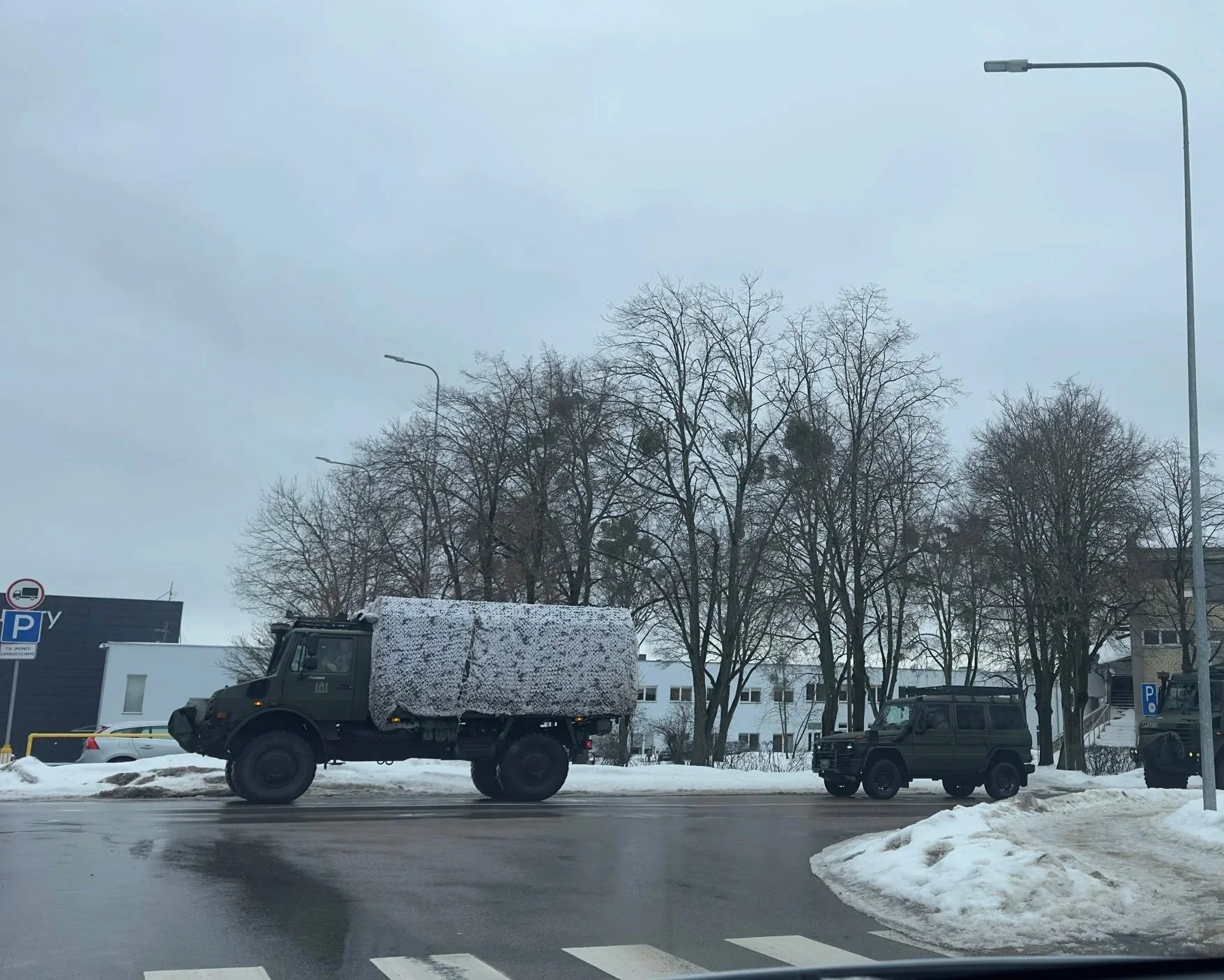
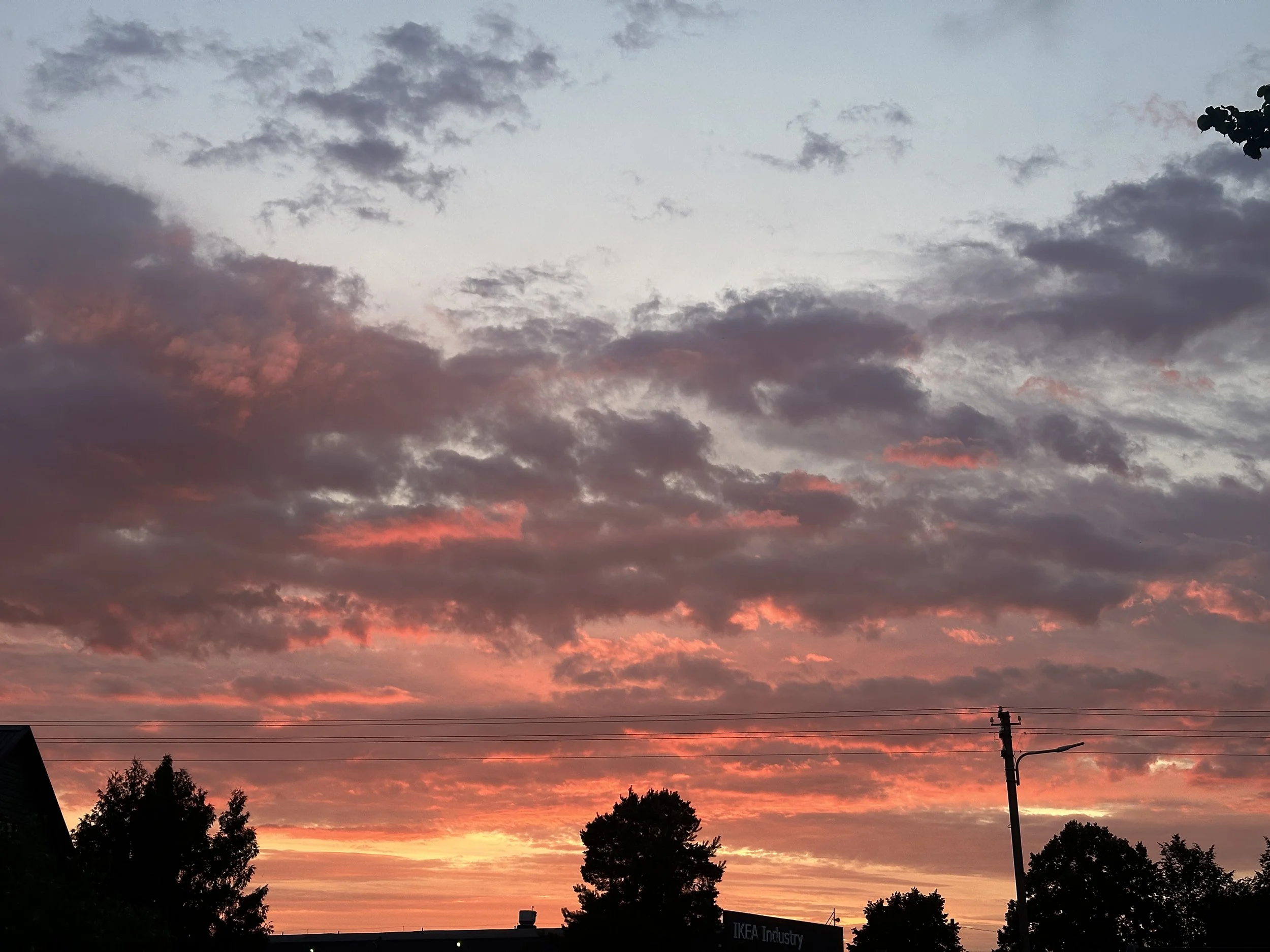
Šiandien Kazlų Rūda yra miestas, kurio kasdienybę formuoja du, iš pirmo žvilgsnio priešingi pasauliai – miškas ir vienas didžiausių Lietuvos karinių poligonų. Tarp lėto gamtos ritmo ir nuolat girdimų karinių pratybų garsų formuojasi savitas gyvenimo tempas. Šis kontekstas padeda suprasti paveikslą „Alkis“. Persikėlusi gyventi į Kazlų Rūdą, sąmoningai ieškojau aplinkos, kuri padėtų susikurti discipliną, susitelkti į darbą ir išmokti gyventi lėčiau. Tačiau būtent tyloje išryškėjo tai, ko triukšmingesnėje aplinkoje buvo lengviau nepastebėti – emocinis alkis, dėmesio blaškymasis ir nuolatinė įtampa tarp trumpalaikio pasitenkinimo bei gilesnės prasmės paieškų.
Šia prasme paveikslas kalba ne tik apie asmeninę patirtį, bet ir apie vietą, kurios istorija nuo pat pradžių buvo grindžiama kantrybe, darbu ir gebėjimu išbūti.
Kazlų Rūda is not a place shaped by entertainment or urban bustle. Since the eighteenth century, its identity has grown alongside the forest—through iron smelting, timber industries, tar production, and forestry. The development of the area was built on labour, resilience, and the ability to adapt to its environment. Historical records also mention Jadvyga Kazlienė, one of the region's first businesswomen, who inherited and successfully continued her family's iron and tar production enterprises after her husband's death.
Today, Kazlų Rūda is a town defined by two seemingly contrasting worlds: the forest and one of Lithuania's largest military training areas. Between the slow rhythm of nature and the constant sound of military exercises, a distinctive pace of everyday life has emerged.
This context helps to understand the painting Hunger. When I moved to Kazlų Rūda, I consciously sought an environment that would help me build discipline, focus on my work, and learn to live at a slower pace. Yet it was precisely within this silence that something became impossible to ignore—emotional hunger, the tendency of attention to drift, and the constant tension between immediate gratification and the search for deeper meaning. In this sense, the painting speaks not only about a personal experience but also about a place whose history has long been shaped by patience, work, and the capacity to endure.
NUOTRAUKOS | PHOTOS
KŪRYBINIS PROCESAS | CREATIVE PROCESS
VIDEO
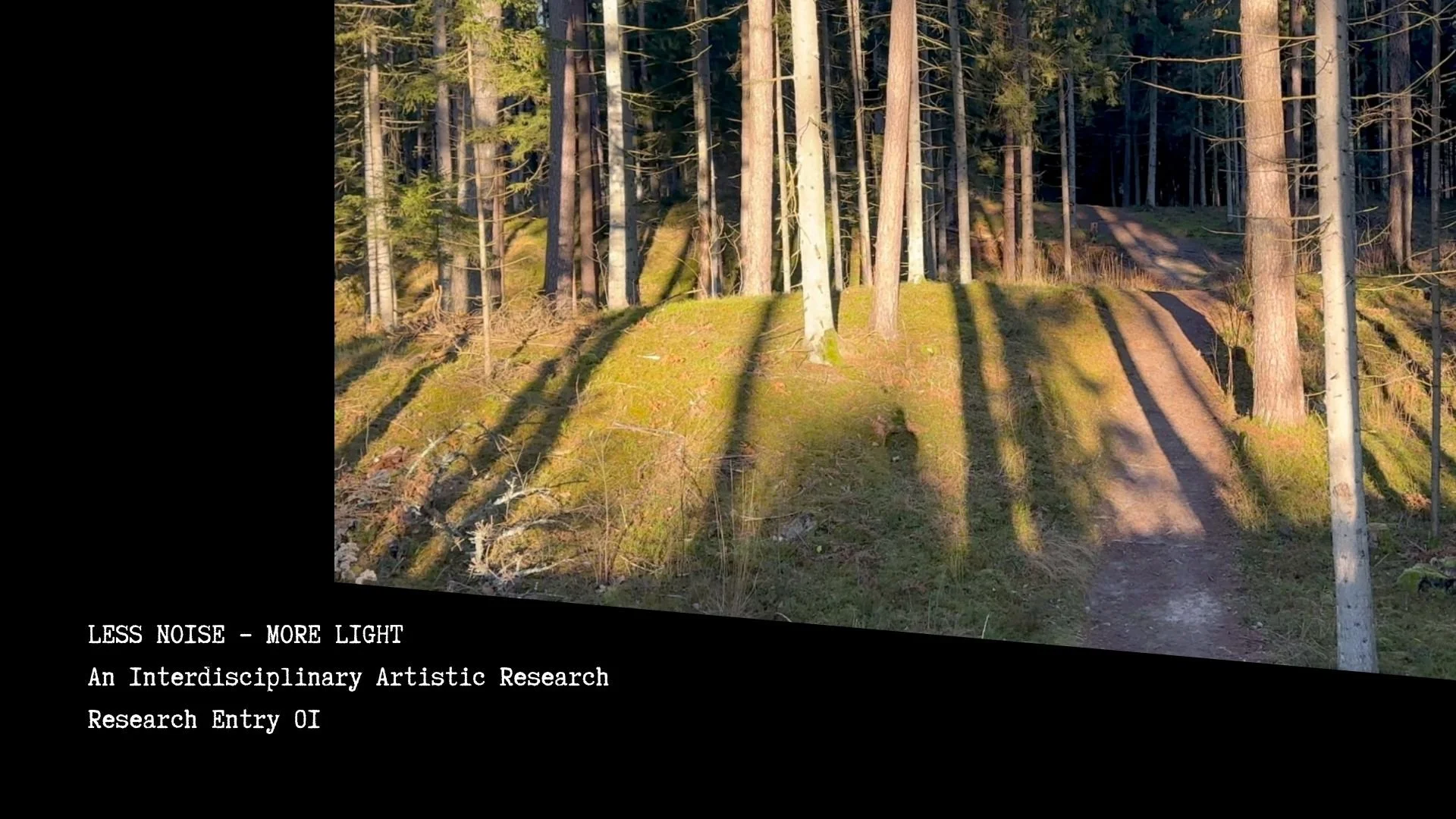
GARSAS | SOUND
POEZIJA | POETRY
PASKOLA
Vis dar moku paskolą
Kaip už sulūžusį kompą
Tik už sulūžusį jausmą
(pamiršk mane pamiršk mane)
Esu įsipareigojus metams
O gal ir daugiau
Dirbu, moku
Negaliu pagreitint proceso
Čia kaip gedulas
Pasirašiau savo noru sutartį
Pažaidžiam pasaką?
Čia kaip Heroes of Might and magic tik Prancūzijoj 2024 ais metais.
Moku daug, o nei tavęs, nei pasakos nei magijos, nei kiaušinienės ryte
Nei vištienos tagliatele
Nei tų tavo brangių kvepalų
Kuriuos taip mėgai (sauvage)
Nė kvapo
Gedžiu prie bekvapio meilės kapo
“Nekabink man ant ausų makaronų”,
Aiškinau tau lietuvių kalbos ypatybes tą vasarą Tulūzoje
Bet slaptomis norėjau būti apkabinta
Būti sulipus su tavim kaip du spagečiai
Nejau vienai lemta mirti?
Kračiausi tokios idėjos ir laukiau žinios iš dangaus
Paneigimo
Pakvietimo
Kažkokio stebuklo
Antgamtinio nutikimo
Nešiau savo pavargusią sielą į Britaniją, į Vidurio Aziją
Galvojau gal žaidžiam slėpynių ir tuoj tuoj tave surasiu
Galbūt skubotai, aklai ir karštligiškai
Galbūt dėl alkio, godumo, troškimo
Norėjau turėti tave kaip tą naują kompą
Daugiau nei man leido biudžetas
O dabar nuo makaronų kvapo suka skrandį
Bet tų kelių savaičių patyrimo
Kai juokas buvo lengvas neaštrus
Ir apkabinimai minkšti lyg mochi
Spindėjo akys kaip vaikų
Aukštai iškilo viltys
Pasaulis rodės mažas
Nebaisus
Ir nebegąsdino karai nei mirtys
Nes buvom ne po vieną, o kartu
Tik vėl atėjo
Dejavu
Žiūriu į tuščią lėkštę paskutinį kartą
Su žodžiais užkabintais ant ausų
Jau nebenoriu jokių paskolų
Bet moku ją, už meilę, su kaupu
/2025 balandžio 6d., Kazlų Rūda, Lietuva/
LOAN
(Kazlų Rūda, April 6, 2025)
I'm still paying off a loan.
Not for a broken laptop,
but for a broken feeling.
(forget me, forget me)
I'm committed for a year.
Maybe longer.
I work.
I pay.
There's no way to speed up the process.
Grief doesn't work like that.
I signed the contract willingly.
Shall we play a fairy tale?
It was like Heroes of Might and Magic—
only in France,
in 2024.
I keep paying,
yet there's no you,
no fairy tale,
no magic,
no scrambled eggs in the morning.
No chicken tagliatelle.
Not even the scent
of that expensive perfume you loved—
Sauvage.
Not even a trace.
I mourn beside
the scentless grave of love.
"Don't pull the wool over my eyes,"
I was explaining Lithuanian idioms to you
that summer in Toulouse.
Secretly,
I only wanted to be held.
To cling to you
like two strands of spaghetti.
Was I really meant
to die alone?
I shook that thought away
and waited for news from heaven.
A denial.
An invitation.
Some kind of miracle.
Something supernatural.
I carried my tired soul
to Britain,
to Central Asia.
I thought perhaps
we were only playing hide-and-seek,
and I was about to find you.
Maybe I was rushing,
blind,
feverish.
Maybe it was hunger.
Greed.
Desire.
I wanted to have you
the way I wanted that new laptop—
beyond what my budget could afford.
Now,
even the smell of pasta
turns my stomach.
Yet those few weeks,
when laughter came easily,
without sharp edges,
when embraces were as soft
as mochi,
when our eyes shone
like children's,
when hope rose high,
when the world felt small,
not frightening,
when neither wars
nor death
could scare us anymore,
because we were not alone,
but together—
then came
déjà vu.
I look at the empty plate
one last time,
with your words
still hanging from my ears.
I don't want
any more loans.
Yet I keep paying,
with interest—
for love.
/2025 April 6th., Kazlų Rūda, Lithuania/